


Price range: $19.95 through $29.95
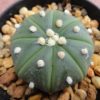
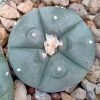
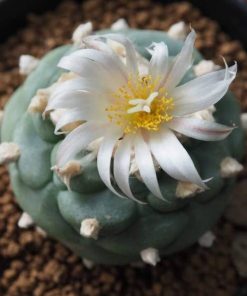
lophophora koehresii variety la morita s l p – La Morita S.L.P. Collection
You’re looking for a truly unique Lophophora.
You want something specific, not just a generic “peyote” seed packet.
You care about provenance and getting the real deal.
Introducing the Lophophora koehresii Variety
We offer seeds of the specific Lophophora koehresii variety from the La Morita region of San Luis Potosí, Mexico.
lophophora koehresii variety la morita s l p – Rare False Peyote from San Luis Potosí
This Lophophora koehresii variety from La Morita, San Luis Potosí is one of the rarest finds in any serious cactus collection.
If you’ve been hunting for a genuine, locality-specific Lophophora, you already know the problem.
Most listings are vague about origin.
Many sellers can’t tell you where the genetics actually come from.
And mislabelled plants are everywhere.
We can.
This is the real thing – Lophophora koehresii variety La Morita, with documented provenance from the famous S.L.P region of southern Mexico.
Why the Lophophora koehresii Variety Stands Out
Named after Gerhard Koehres, the German nurseryman who first discovered it, this variety is instantly recognisable once you know what to look for.
Here’s what makes it different from other Lophophora species:
- Distinct rib structure – the ribs are unusually defined for a Lophophora, giving it a shape collectors immediately notice.
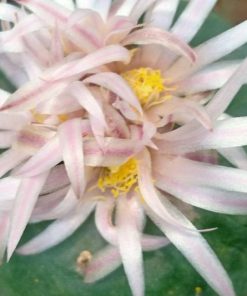
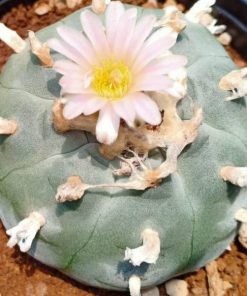
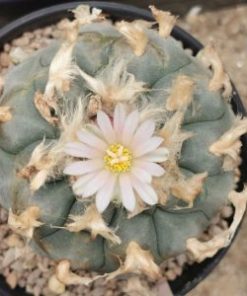
- Unique flowers – petals are longer and thinner than other varieties, with a subtle brownish stripe running down the middle.
- Larger seeds – noticeably bigger than those of Lophophora williamsii or standard Lophophora diffusa.
- Locality genetics – La Morita, San Luis Potosí is a known habitat population, not a greenhouse guess.
If you collect locality plants, you understand why that last point matters.
A Lophophora without provenance is just a Lophophora.
A Lophophora koehresii variety with a confirmed S.L.P locality is a collection piece.
A Survivor Built for Extremes
Here’s something most people don’t know about this plant.
In habitat, Lophophora koehresii grows in shallow lake beds and mud flats between the Rio Verde in San Luis Potosí and Tula in Tamaulipas.
During the rainy season, wild plants can sit completely underwater for days – sometimes weeks.
When the dry season hits, the plant pulls itself down into the soil until it’s almost fully buried, waiting it out.
Think about that.
This is a cactus that survives both flooding and drought by literally retreating underground.
That toughness is exactly why growers love it.
What That Means for Your Collection
- Resilient genetics – adapted to conditions that would kill most cacti.
- Slow, compact growth – ideal for windowsills, greenhouses and small grow spaces.
- Low maintenance – it evolved to handle
| quantity | 30, 50 |
|---|
Be the first to review “Lophophora koehresii variety La Morita S.L.P”
Related products
Lophophora Seeds
Lophophora Seeds
Lophophora Seeds
Lophophora Seeds

Lophophora Seeds

Lophophora Seeds

Lophophora Seeds
Lophophora Seeds
Reviews
There are no reviews yet.