Lophophora Koehresii: The Specialist’s Choice
Lophophora Koehresii is the plant we recommend for collectors who want a cactus that breaks the standard rules of desert biology. Most cacti rot if they sit in water for more than a day. This species is different. In its native habitat in the San Luis Potosà basin, it spends weeks submerged in water during the rainy season. It lives in mud flats and dried lake beds, making it one of the most resilient and unique members of the Lophophora genus. If you are looking for a compact, dark green specimen with a massive subterranean presence, this is the one.
Why Lophophora Koehresii belongs in your collection
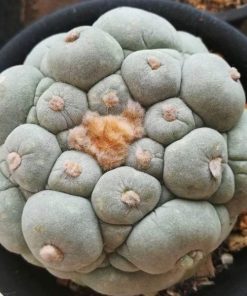
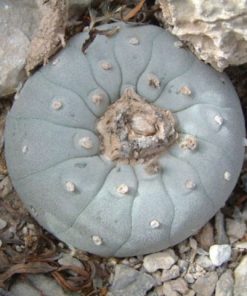
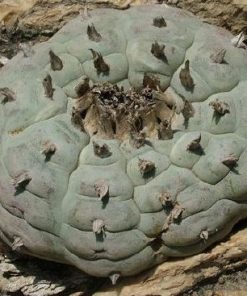
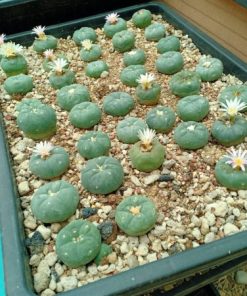
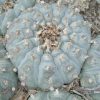
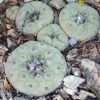
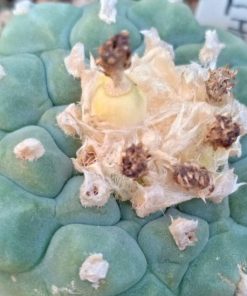
We value this species for its distinct physical traits and honest growth habits. It is the second smallest of the Lophophoras, staying compact and manageable. While other species are a dusty grey-blue, this one maintains a rich, dark green colour. The ribs are more defined and “in relief” compared to its cousins, giving it a sharp, geometric look. The most impressive part of the plant is what you don’t see. It possesses an oversized taproot system that is often significantly larger than the crown above ground. This root acts as a massive energy reservoir, allowing the plant to survive extreme droughts by pulling itself entirely under the soil line.
Lophophora Koehresii vs Williamsii: The facts
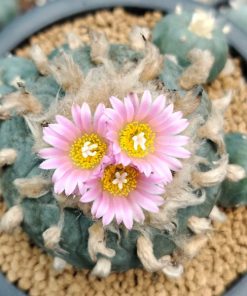
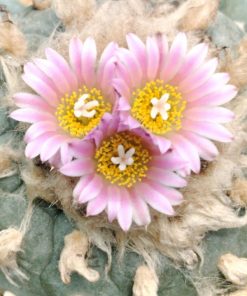
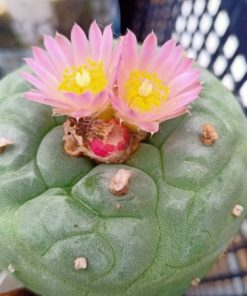
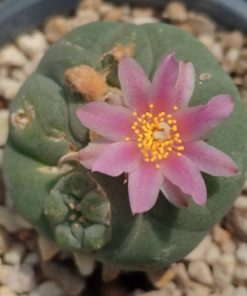
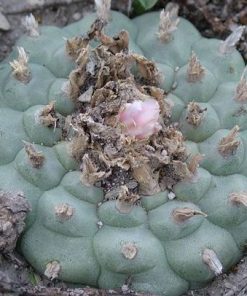
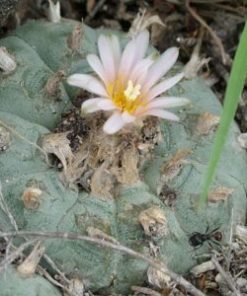
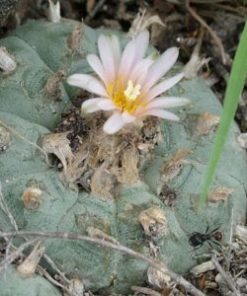
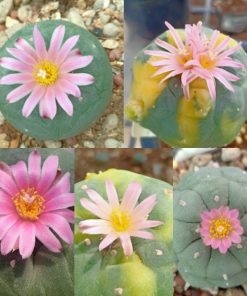
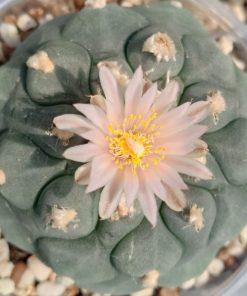
It is important to understand the biological and chemical differences between these two species. Many people mistake them at first glance, but they are fundamentally different. Lophophora Koehresii is not hallucinogenic. While L. williamsii contains mescaline as its primary alkaloid, Koehresii contains only trace amounts. It is pharmacologically inactive and is grown strictly for its botanical rarity and aesthetic value. The flowers are also a dead giveaway. Koehresii produces large, pale pink flowers with very thin petals and distinct brownish mid-stripes. Furthermore, while williamsii is often self-fertile, Koehresii is self-sterile. To produce Lophophora Koehresii seeds, you must have two separate plants and cross-pollinate them manually.
Essential Lophophora Koehresii Care
We have found that success with this species comes down to mimicking its unique mud-flat origin. It prefers soft, alluvial sediments over the sharp, rocky grit used for other cacti.
- Substrate:Â Use a mineral-heavy mix but include a small amount of fine clay or silt.
- Watering:Â It can handle more frequent watering during the heat of summer than other species.
- Light:Â Provide bright, filtered light to maintain that deep green hue without scorching the skin.
- Temperature:Â Keep it frost-free and dry during the winter months to respect its dormancy.
- Growth habit:Â Expect a single-headed plant until it reaches about 5-6cm, at which point it may begin to pup.
Insights from the greenhouse
We’ve noticed that collectors often worry when their plant “shrinks” during the winter. Don’t panic. This is exactly what it does in the wild. It loses volume and retreats toward the root to protect itself. Once the spring watering begins, it re-inflates and displays those signature pink-striped blooms. It is a slow grower, but because it is so hardy, it is often more “forgiving” of a heavy hand with the watering can compared to the more sensitive L. diffusa.
FAQs
Is Lophophora Koehresii legal to own?
In most jurisdictions, yes, because it does not contain the regulated alkaloids found in L. williamsii, but you should always check your local botanical laws.
How do I get Lophophora Koehresii seeds?
Since these plants are self-sterile, you need two genetically distinct plants flowering at the same time to produce viable seeds.
How big does it get?
It is a miniature species, rarely exceeding 6-8cm in diameter for a single head, though old specimens will eventually form clusters.
What is the best soil for Lophophora Koehresii care?Â
A mix of 80% inorganic grit (pumice, lava rock, limestone) and 20% fine silty soil or loam works best.
Why is my plant turning brownish-green?
This is usually a sign of too much direct sun; move it to a spot with slightly more shade to return it to its natural dark green.
How often does it flower?
A mature, healthy plant can flower multiple times throughout the summer if it receives enough light and consistent watering.
If you’re ready to add a resilient, geometrically perfect specimen to your bench, we have a limited number of Lophophora Koehresii.
Final line: Browse our selection and start your journey with Lophophora Koehresii.


Reviews
There are no reviews yet.