

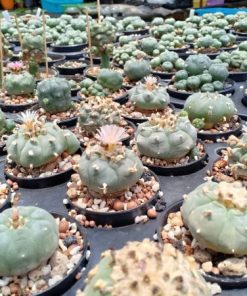
Price range: $19.95 through $29.95
lophophora williamsii unknown mix seeds varieties
A mixed seed lot representing natural variation in Lophophora williamsii. Parentage and collection origin are undocumented. Intended for botanical study and lawful, conservation-minded cultivation only; verify all local regulations before acquisition.
lophophora williamsii unknown mix seeds varieties
Explain that an “unknown mix” is a commercial label, not a botanical variety name. It usually means seeds were collected from multiple parent plants, populations, or cultivated lines without reliable parentage records.
Cover:
-
Open-pollinated seed lots
-
Mixed collection sites or cultivated parents
-
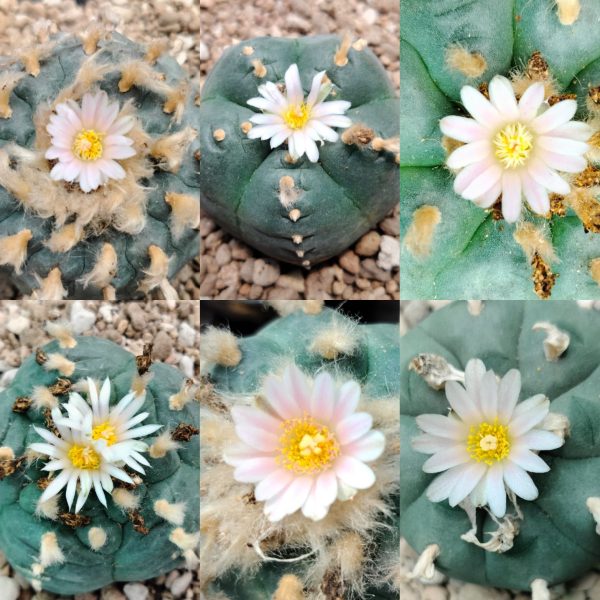
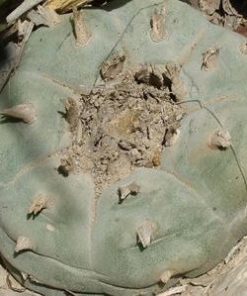
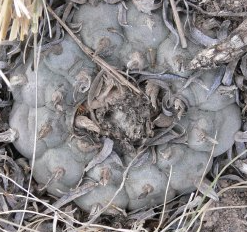
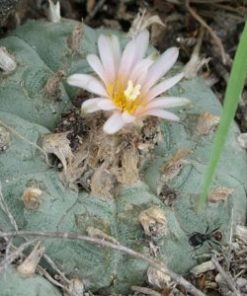
Unlabeled forms, flower colors, and growth habits
-
Why “variety” may be marketing language rather than a formal botanical name
Why Lophophora Williamsii Random Variety Seeds Vary
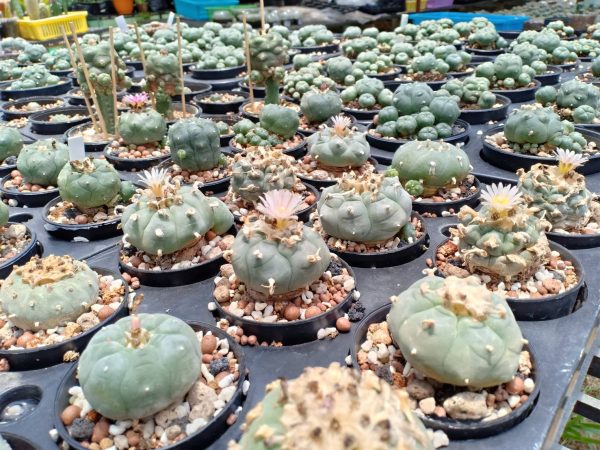
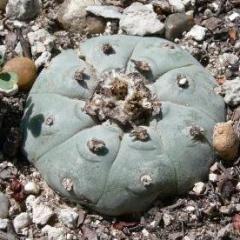
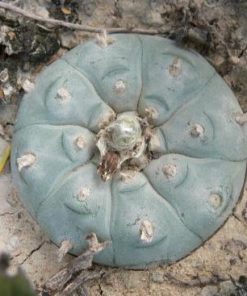
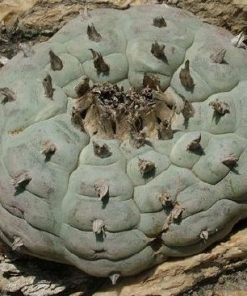
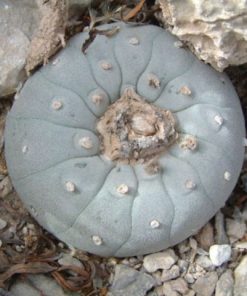
Explain natural variation in rib count, spine presence or absence, flower color, body color, offsetting behavior, and mature size. Cite the species’ broad natural range across Texas and northern Mexico.rarecactus
Use a table:
How to Judge a Seed Lot Before Committing
Provide a due-diligence checklist:
-
Ask for the collection year, not just “fresh seeds.”
-
Request the parent-plant origin: cultivated, nursery-produced, or wild-collected.
-
Look for transparent germination guidance rather than exaggerated claims.
-
Avoid listings that promise specific rare traits from an unrecorded mix.
-
Check whether the seller understands local law and CITES documentation.
Germination and Early Care: What Research Shows
Summarize evidence-based cultivation principles without providing a procurement pathway:
-
L. williamsii germination research has found strong sensitivity to light conditions and growing medium.
-
Published protocols report germination beginning in under seven days under controlled in-vitro conditions, with much of final germination occurring between days 7 and 14.
-
Conservation-focused horticulture literature treats seed propagation as a potential tool for reducing pressure on wild populations.cactusconservation
Legal and Ethical Checklist
Make this the strongest E-E-A-T section:
-
In the U.S., federal law lists L. williamsii—including its seeds—as a Schedule I controlled substance.rarecactus
-
CITES lists the species under Appendix II through the Cactaceae family listing; international movement can require permits and documentation.cites+1
-
The IUCN has assessed the species as Vulnerable, reinforcing the need to avoid wild collection.
-
Recommend readers verify national, state/provincial, and local rules before acquiring or moving any seed lot.
Legal Alternatives for Collectors
Offer genuinely useful alternatives:
-
Other legally permitted Lophophora species where local law allows.
-
Non-controlled Chihuahuan Desert cacti with similar slow-growing aesthetics.
-
Documented, nursery-propagated succulents from reputable conservation-minded growers.
-
Legal botanical study through herbarium records, botanical gardens, and peer-reviewed literature.
FAQ Section
-
What does “unknown mix” mean in Lophophora williamsii seeds?
-
It means the seller cannot reliably document the parent plants, population, or cultivated line behind the seed lot.
-
How can I tell whether random variety seeds are ethically sourced?
-
Ask for cultivation records, collection date, parent origin, and evidence that seeds were not taken from wild populations.
-
Why do seedlings from the same mix look different?
-
Sexual reproduction reshuffles traits, so rib count, color, clustering, and flower characteristics can differ substantially.
-
When do Lophophora williamsii seeds typically germinate?
-
Under controlled research conditions, germination may begin in under a week, with much of the final germination occurring between days 7 and 14.
-
Can an unknown mix produce a rare form?
-
Possibly, but it is unpredictable; no ethical seller should guarantee a rare phenotype from an undocumented mixed lot.
-
Are Lophophora williamsii seeds legal to buy or ship?
-
It depends on jurisdiction, but U.S. federal law includes the seeds within the controlled-substance definition, and CITES can affect cross-border movement.cites+1
-
What should collectors choose instead?
-
Legally permitted species, documented nursery-propagated plants, and conservation-focused cactus collections.
| quantity | 30, 50 |
|---|
Be the first to review “Lophophora Williamsii unknown mix seeds varieties”
Related products
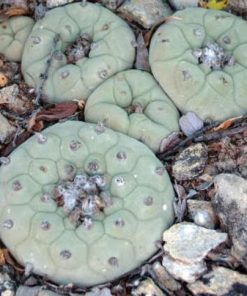
Lophophora Diffusa seeds
Lophophora Diffusa MMR 93 Mexicó : Queretaro variety Vizarron
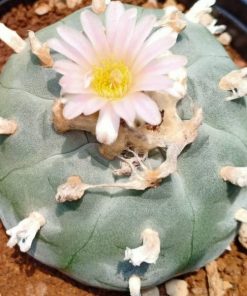
Lophophora Seeds
Lophophora Seeds
Lophophora Seeds
Lophophora Seeds
Lophophora Seeds
Lophophora Seeds
Lophophora Fricii seeds
Reviews
There are no reviews yet.