

Price range: $19.95 through $29.95
Lophophora williamsii variety La Cardona
Want to grow the Lophophora williamsii variety La Cardona? It takes patience. Get fresh seeds and our no-nonsense guide to soil, light, and germination.
Lophophora williamsii variety La Cardona Zacatecas
Growing the exact Lophophora williamsii variety La Cardona takes serious patience, but the result is a piece of living history.
Most growers fail with rare cacti because they try to rush the process.
They overwater them, use the wrong soil, or scorch the young seedlings in direct sunlight.
This specific spineless cactus is native to the harsh, semi-desert plains of Zacatecas in northern Mexico.
It survives in rocky limestone soils with very little water and plenty of dry heat.
If you want to keep this plant alive, you have to mimic that tough environment.
We have learned over the years that treating these plants with a bit of neglect actually does them a huge favour.
Why Grow This Specific Lophophora williamsii variety?
This is not your standard garden centre cactus.
Here is exactly what makes the Cardona locality unique:
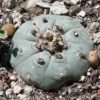
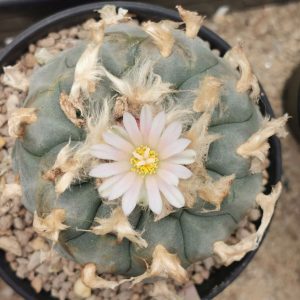
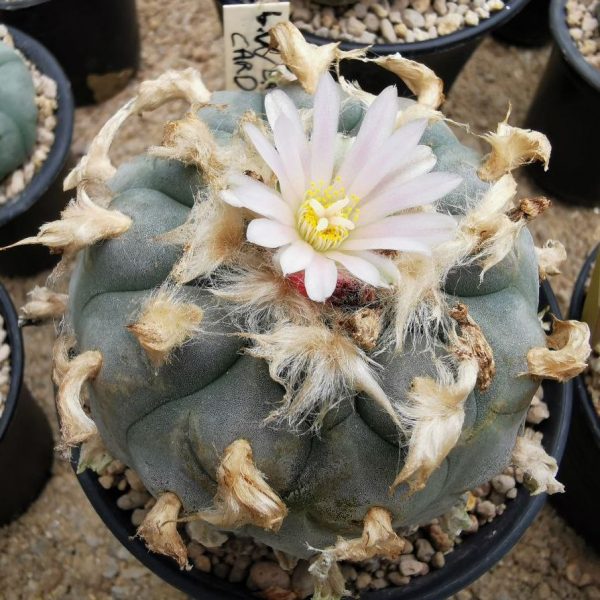
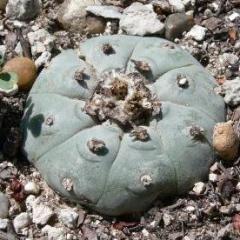
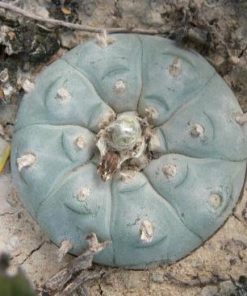
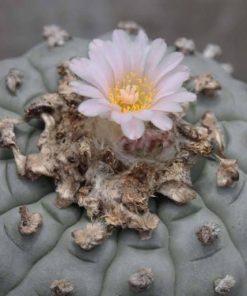
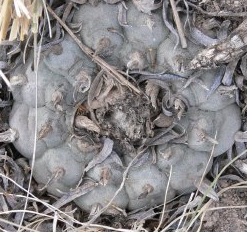
- Spineless and smooth: The skin is soft, blue-green, and completely lacks sharp defensive spines.
- Deep taproot system: It builds a massive underground water reservoir, meaning you can leave it alone during long dry spells.
- Distinct rib structures: Young plants start with 5 ribs, eventually shifting to up to 13 vertical ribs as they mature.
- Woolly tufts: Instead of spikes, it produces tufts of soft, yellowish-white wool from its areoles.
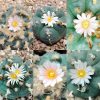
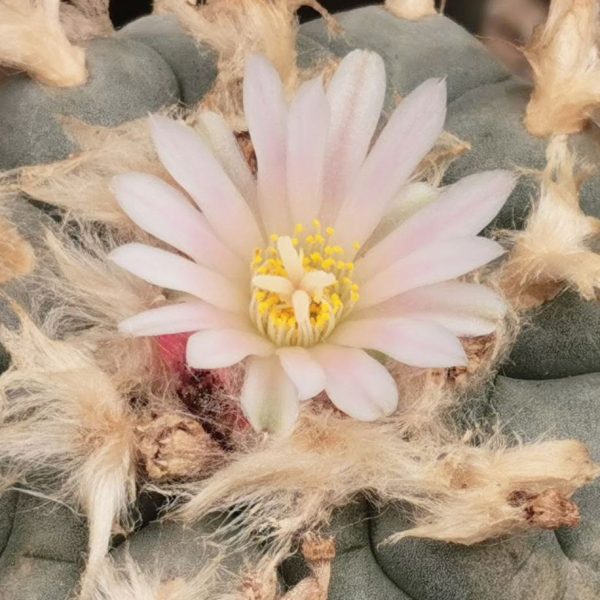
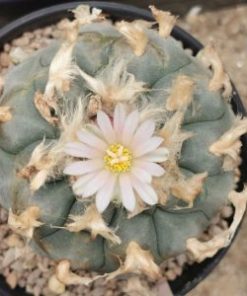
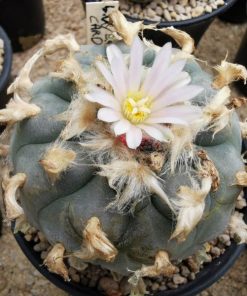
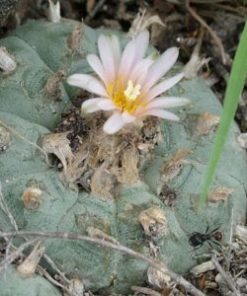
- Summer blooms: Once mature, it regularly pushes out beautiful pink to white flowers during the warmer summer months.
- Edible pink fruit: After flowering, it produces small, fleshy pink fruits that contain black, pear-shaped seeds.
The Truth About Growing Them
When we first started growing these cacti, we treated them like standard house plants.
That was a costly mistake.
We lost several to root rot before realising they thrive in extreme drainage and partial shade.
In the Chihuahuan Desert, they grow under the protection of larger scrub brush, sheltered from the most intense UV rays.
They do not want to bake on a scorching windowsill all day.
Once we moved them to partial shade and grouped them together in large pots, they finally started thriving.
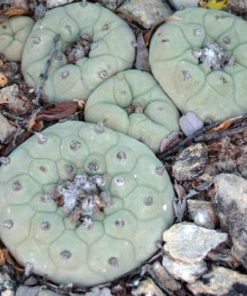
They actually like the company of other plants and do exceptionally well when potted in clusters.
How to Care for Lophophora williamsii variety La Cardona
You do not need an expensive greenhouse to grow these from seeds.
You just need the right setup and the discipline to leave them alone.
1. Soil preparation
Use a heavy, mineral-based mix.
Avoid standard potting compost entirely.
You want a rough mix of pumice, crushed limestone, and coarse sand so water drains instantly.
2. Germination conditions
Fresh seeds need high heat and high humidity to crack open.
Keep them sealed in a humid container on a heat mat until they sprout.
Once they pop, slowly introduce airflow to prevent mould.
3. Watering schedule
Only water when the soil is completely bone dry.
During the winter months, stop watering entirely.
The cactus will shrink and look slightly deflated, but that is exactly how it survives the dry season.
4. Light exposure
Keep them in bright but indirect sunlight.
Direct midday sun will scorch their skin, ruin their natural colour, and stunt their growth.
FAQs
How long does it take for this cactus to flower?
This is a famously slow-growing plant.
It usually takes between 7 to 10 years to reach flowering age from seed.
You cannot rush it, so patience is absolutely mandatory.
Are the seeds difficult to germinate?
Not if you provide the exact right conditions.
They require a hot, highly humid environment to sprout successfully.
Using a heat mat and a sealed plastic takeaway container works incredibly well.
Does it need to be planted alone?
No, they actually do very well when potted in groups.
In the wild, they often grow solitary but can also grow in large clusters, which is known as growing caespitose.
Why is my cactus turning yellow or brown?
This usually means it is getting too much direct, intense sunlight.
Move it into partial shade immediately to let it recover.
If it feels soft and mushy at the base, you are overwatering it and it is rotting from the taproot up.
What do the flowers and fruit look like?
The flowers open during the day and are typically pink, white, or slightly yellowish.
Following the flowers, the plant produces small, club-shaped rosy pink fruits that dry out and turn brownish-white as they mature.
Growing these plants is a decades-long commitment, not a quick project.
If you are ready to put in the time and do it right, grab your supplies and start your journey with the Lophophora williamsii variety La Cardona.
| quantity | 30, 50 |
|---|
Be the first to review “Lophophora williamsii variety La Cardona Zacatecas”
Related products
Lophophora Seeds
Lophophora Seeds
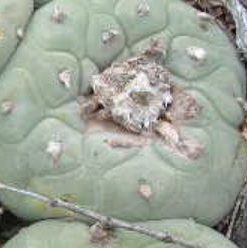
Lophophora Diffusa seeds
Lophophora Diffusa MMR 93 Mexicó : Queretaro variety Vizarron
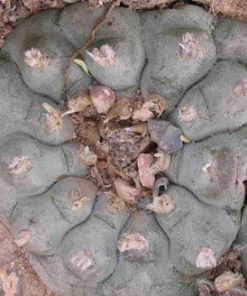
Lophophora Seeds
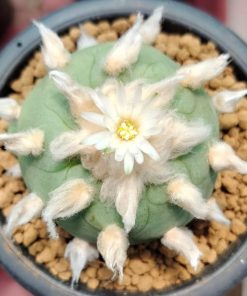

Lophophora Diffusa seeds
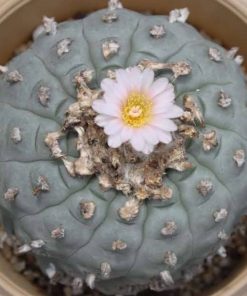
Lophophora Seeds

Lophophora Seeds
Lophophora Seeds
Reviews
There are no reviews yet.