


Price range: $15.00 through $30.00
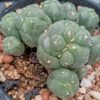
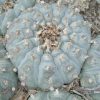
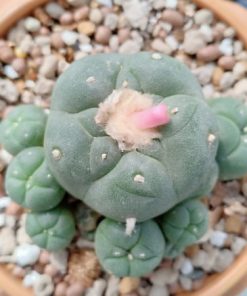
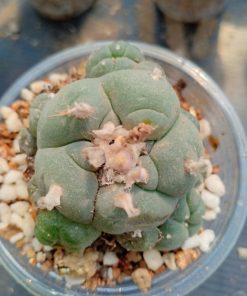
Lophophora williamsii La Perdida Caespitosa
A rare, seed-grown clumping peyote cactus from the La Perdida locality (Tamaulipas–Nuevo León border, Mexico). Features tight multi-headed rosettes, grey-green glaucous epidermis, 5–8 broad ribs, and dense cream areole wool. Slow-growing and highly collectible.
What Makes the Lophophora williamsii Variety La Perdida Caespitosa the Most Coveted Form in Serious Cactus Collections?
You already know that not all Lophophora are created equal. You’ve likely spent hours scrolling auction listings, dissecting locality data, and second-guessing whether the plant in front of you is the genuine article or an over-hyped mislabel.
Why Serious Collectors Are Pursuing Lophophora williamsii Variety La Perdida Caespitosa
The Lophophora genus contains only a handful of recognized species, but within those species exists extraordinary morphological diversity. Among that diversity, the La Perdida locality form of Lophophora williamsii — particularly when it exhibits caespitosa (clumping) growth — stands at the absolute pinnacle of collector interest.
The Three Pillars of Desirability
- Rarity of true locality origin. La Perdida is a specific geographic zone, not a marketing label. Genuine specimens with verifiable provenance are scarce.
- Aesthetic distinctiveness. These plants display ribbing patterns, areole density, and epidermal coloration that differ noticeably from more common Lophophora forms.
- Caespitosa clumping habit. Multi-headed specimens with tight, symmetrical offsets are exponentially harder to produce from seed and therefore far more valuable.
In our experience, the surge in interest over the past five years has been driven by three converging factors: improved online documentation of locality-specific morphotypes, increased awareness of the differences between L. williamsii and L. diffusa, and a collector market that increasingly values verified provenance over sheer size.
Understanding La Perdida Caespitosa: Taxonomy, Origin, and Identification
Taxonomic Placement
| Classification | Detail |
|---|---|
| Genus | Lophophora |
| Species | williamsii (Lemaire, 1845) |
| Locality Form | La Perdida (Tamaulipas/Nuevo León border region) |
| Growth Form | Caespitosa (caespitose / clumping) |
| Common Name | La Perdida caespitosa peyote cactus |
A critical clarification: The term “variety” in trade terminology often overlaps loosely with botanical ranks. Lophophora williamsii has no formally published botanical variety or subspecies called “La Perdida.” What exists is a recognized locality form — a population with consistent, distinguishable physical traits traceable to a specific geographic range. Serious collectors and botanists treat locality forms as meaningful within Lophophora taxonomy, even when no formal rank applies.
Geographic Origin: What “La Perdida” Actually Means
La Perdida refers to a region near the border of the Mexican states of Tamaulipas and Nuevo León. The environmental conditions here — arid highland scrub, specific soil mineral composition, and seasonal precipitation patterns — shape the plant’s morphology.
Key characteristics of La Perdida environment:
- Altitude range: approximately 400–800 meters
- Soil: limestone-derived, well-draining, alkaline
- Climate: semi-arid with summer monsoon influence
- Associated flora: Ariocarpus, Ferocactus, Echinocereus species
Plants that evolved in this micro-environment develop consistent traits that experienced collectors can learn to recognize.
How to Identify an Authentic La Perdida Caespitosa Peyote Cactus
This is where most guides fail. They list vague descriptions. We’ll give you specific, measurable criteria.
Marker 1: Rib Structure
- Typical La Perdida specimens display 5–8 ribs (occasionally more in mature plants).
- Ribs tend to be broad and relatively shallow with well-defined sinuses.
- The woolly tufts at each areole are dense but not overly long — shorter than what you see in some Texas-origin forms.
Marker 2: Epidermal Coloration
- Grey-green to blue-grey is typical, often with a slight glaucous bloom.
- Under strong light, many specimens develop a purplish-red blush on the epidermis.
- Avoid plants with overly bright lime-green coloration — this often indicates greenhouse-forced growth or mislabeling.
Marker 3: Tubercles and Areoles
- Tubercles along the ribs are rounded to slightly angular.
- Areole wool appears cream to off-white and is notably dense in young growth points.
Marker 4: The Caespitosa Clumping Habit
This is the defining feature of the “caespitosa” designation:
- Multiple heads originating from a shared base or rootstock.
- Offsets emerge close to the parent plant, forming a tight cluster rather than sprawling laterally.
- Mature caespitosa specimens may have 5–15+ heads, though 3–6 heads is common in younger clumps.
- Each individual head should maintain species-consistent traits (rib count, areole structure, coloration).
Marker 5: Root System and Body Proportions
- The subterranean body (the taproot) of L. williamsii is carrot-shaped and fleshy.
- In La Perdida specimens, the visible above-ground crown is typically flatter and more disc-shaped compared to taller, more columnar forms from other localities.
Red Flags: How to Spot a Fake
- Seller cannot provide locality data or photos of parent stock.
- Plant looks too “perfect” — perfectly symmetrical ribs, no blemishes, uniform green color. Real plants from harsh wild conditions show character.
- Price seems too low. Authentic La Perdida caespitosa specimens from verified sources command premium prices for a reason.
- Seller insists “all Lophophora are the same.” This is the single biggest tell of someone who either doesn’t know or doesn’t care about honest labeling.
Growing and Caring for La Perdida Caespitosa: Expert Cultivation Guide
Whether you’ve just acquired your first specimen or you’re a seasoned grower adding a La Perdida caespitosa to your collection, proper care ensures long-term health and continued offset production.
Substrate and Potting
We recommend a gritty, mineral-heavy substrate with minimal organic content. Lophophora are highly susceptible to root rot in water-retentive soils.
Our proven mix:
- 50% pumice (3–6mm)
- 25% coarse sand or decomposed granite
- 15% perlite
- 10% akadama or lava rock (optional)
Pot selection:
- Use terracotta or unglazed ceramic for breathability.
- Ensure adequate drainage holes — non-negotiable.
- Size the pot only slightly larger than the root mass. Oversized pots retain moisture longer and increase rot risk.
Light Requirements
- Full sun to bright indirect light is ideal.
- Indoors: south-facing window or a quality grow light providing 12–16 hours of adequate illumination.
- Acclimate slowly when moving from shade to full sun to avoid epidermal scorching.
Watering Schedule
| Season | Frequency | Notes |
|---|---|---|
| Spring | Every 7–14 days | As growth resumes, increase gradually |
| Summer | Every 10–14 days | Soak thoroughly, then allow to dry completely |
| Autumn | Every 14–21 days | Reduce frequency as growth slows |
| Winter | Minimal or none | Dormant period; avoid if temperatures are below 10°C |
Temperature and Humidity
- Ideal growing range: 20–35°C (68–95°F).
- Dormant rest: 8–15°C (46–59°F) for 4–8 weeks encourages flowering in spring.
- Humidity: Low. Avoid placing near humidifiers, terrariums, or enclosed display cases without ventilation.
Fertilization
- Use a low-nitrogen, high-phosphorus fertilizer at 1/4 to 1/2 strength.
- Feed only during active growth (spring through early summer).
- Never fertilize during winter dormancy.
Caespitosa-Specific Care Notes
Multi-headed clumps require extra attention:
- Water evenly across the entire clump, not just the largest head. Uneven watering can cause some offsets to abort.
- Inspect the base regularly for signs of rot between packed heads where moisture can trap.
- Repot carefully — disturbing tight root systems can set growth back by a full season. We recommend repotting only when the substrate has visibly degraded (every 2–3 years).
Where to Source Authentic La Perdida Caespitosa Plants
This is the section that separates a helpful guide from a lifeless encyclopedia entry. Knowing where to buy matters as much as knowing what to buy.
Tier 1: Established Specialty Cactus Nurseries
Look for growers who:
- Document parent plant provenance with photographs.
- Offer seed-grown specimens with batch origin data.
- Can articulate morphological differences between localities.
- Have verifiable reputations across multiple platforms (forums, social media, auction history).
Tier 2: Online Cactus Communities and Auctions
Platforms like dedicated cactus forums and specialist auction groups can be valuable — but exercise extreme caution:
- Check seller feedback and transaction history.
- Ask for photos of the specific plant you’ll receive, under natural light.
- Request locality documentation before committing payment.
Tier 3: International Sources
Many collectors explore European or Asian markets. Keep in mind:
- Import regulations vary by country (see legal section below).
- Shipping stress can damage plants; ask about packaging standards.
- Language barriers may complicate provenance verification.
Sourcing Checklist
Before purchasing any La Perdida caespitosa, ask:
- Can the seller confirm the locality origin of the parent plant or seed batch?
- Are photographs of the mother plant or original collection available?
- Has the plant been seed-grown (preferred) or grafted?
- Is the seller’s return or guarantee policy clear?
- Does the price reflect the realistic market value for a verified specimen?
- Are you purchasing from a source within your jurisdiction’s legal framework?
Legal and Ethical Considerations: Navigating Lophophora Collecting Responsibly
We won’t sugarcoat this. The legal landscape around Lophophora williamsii — including locality forms like La Perdida caespitosa — is complex and varies significantly by jurisdiction.
In the United States
- Lophophora williamsii is classified as a Schedule I controlled substance under the federal Controlled Substances Act (21 U.S.C. § 812).
- Growing, possessing, selling, or transporting live peyote plants without federal exemption is illegal under federal law.
- Exception: Members of the Native American Church are exempt under the American Indian Religious Freedom Act Amendments of 1994 for ceremonial use.
- The Texas Penal Code includes additional state-level restrictions.
In Mexico and Other Countries
- Laws vary country by country. Some nations permit ornamental cultivation while others prohibit it entirely.
- Cross-border transport of Lophophora is subject to CITES regulations in many cases.
Ethical Collecting Practices
Beyond legality, ethical considerations matter:
- Never harvest from wild populations. Wild Lophophora populations are under pressure from habitat loss and over-collection.
- Support seed-grown, nursery-raised plants. This reduces pressure on wild stands.
- Respect locality integrity. Don’t mislabel plants to increase perceived value.
- Advocate for habitat conservation. The ecosystems where La Perdida-origin plants evolve deserve protection regardless of your personal interest in cultivation.
Common Mistakes Collectors Make with La Perdida Caespitosa
After observing hundreds of transactions and cultivation attempts in this niche, here are the mistakes we see repeated most often:
Prioritizing Size Over Authenticity
A large, mislabeled plant will disappoint you for years. A smaller, verified La Perdida specimen that grows from 3cm to 8cm over five years will give you far more satisfaction — and retain resale value.
Overwatering Young Seedlings
Juvenile Lophophora have extremely sensitive root systems. New growers often treat seedlings like typical houseplants. They aren’t. Keep seedling substrate slightly more organic (around 60% mineral, 40% pumice/perlite mix) but still water sparingly.
Ignoring the Winter Dormancy
Skipping a proper cold rest period:
- Weakens the plant
- Prevents flowering
- Disrupts the natural caespitosa offset cycle
Action item: Mark your calendar now. Schedule 4–8 weeks of cool, dry rest each winter.
Grafting Without Understanding Implications
Grafting onto Pereskiopsis or Trichocereus rootstock accelerates growth but:
- Alters natural body proportions
- Compromises provenance claims
- Produces off-types over time
If authenticity and morphology matter to you (and for La Perdida collectors, they do), grow on their own roots.
Buying Based on Hype, Not Knowledge
Social media hype cycles drive prices temporarily. The collector who understands why La Perdida caespitosa is distinct will make better decisions in any market condition.
FAQ: Your Top Questions About Lophophora williamsii Variety La Perdida Caespitosa
What is Lophophora williamsii variety La Perdida caespitosa?
Lophophora williamsii variety La Perdida caespitosa refers to a locality-specific, clumping (caespitose) form of the Lophophora williamsii peyote cactus originating from the La Perdida region along the Tamaulipas–Nuevo León border in Mexico. “La Perdida” identifies the geographic population; “caespitosa” describes the multi-headed clumping growth habit. While not a formally published botanical variety, it is widely recognized among collectors and botanists as a distinct and desirable morphotype.
How do you identify an authentic La Perdida caespitosa peyote cactus?
Authentic specimens display 5–8 broad, shallow ribs, grey-green to blue-grey epidermis with a glaucous bloom, dense cream-colored areole wool, and a tight clustering of multiple heads with uniform morphological traits across offsets. The body tends to be flatter and more disc-shaped than other locality forms. Request provenance documentation and photos of parent stock to verify authenticity.
Where can I buy a genuine La Perdida caespitosa Lophophora?
Source plants from established specialty cactus nurseries with documented provenance, reputable online cactus auction communities with verifiable seller histories, or international specialty growers. Always confirm seed-grown origin, request photos of parent plants, and verify that the seller can articulate locality-specific characteristics before purchasing.
Is growing Lophophora williamsii La Perdida caespitosa legal?
Lophophora williamsii is a Schedule I controlled substance under U.S. federal law, making growth, possession, and transport generally illegal without specific exemptions (such as the Native American Church). Laws vary by state and country. Always consult current federal and state regulations before acquiring or cultivating any Lophophora species.
How do you care for a La Perdida caespitosa caespitosa plant?
Use a 50% pumice, gritty mineral substrate in terracotta pots with drainage holes. Provide full sun to bright indirect light, water every 7–14 days during the growing season (soak and dry fully), and never water during winter dormancy. Fertilize sparingly with low-nitrogen, high-phosphorus formulas at 1/4 strength during active growth only. Maintain low humidity and ensure a 4–8 week cool rest period annually.
What does “caespitosa” mean in Lophophora williamsii?
“Caespitosa” is a botanical term meaning “growing in tufts or clumps.” In Lophophora williamsii, it describes the tendency of a single plant to produce multiple genetically identical heads (offsets) that cluster tightly around the parent body, forming a dense rosette of heads sharing a common root system. This growth habit is highly prized among collectors because caespitosa specimens are significantly rarer and slower to develop than single-headed plants.
What is the difference between La Perdida caespitosa and other Lophophora williamsii locality forms?
La Perdida caespitosa is distinguished from other L. williamsii forms by its specific geographic origin (Tamaulipas–Nuevo León border), flatter body shape, grey-green glaucous coloration, 5–8 broad rib count, dense areole wool, and preference for tight caespitosa clumping. Other locality forms from Texas, Querétaro, or Hidalgo may differ in rib count, epidermal color, body height, and offset tendencies. Locality data — not just appearance — is the primary differentiator.
Conclusion: From Confused Browser to Confident Collector
You came here with a question: Is this Lophophora williamsii variety La Perdida caespitosa worth my attention, my investment, and my cultivation effort?
The answer is a definitive yes provided you approach acquisition and care with the knowledge you now have:
| Quantity | 6, 12 |
|---|
Be the first to review “Lophophora Williamsii variety La Perdida Caespitosa”
Related products
Lophophora Seeds

Lophophora Seeds

Lophophora Seeds
Lophophora Seeds

Lophophora Seeds

Lophophora Seeds
Lophophora Seeds
Lophophora Fricii seeds
Reviews
There are no reviews yet.