

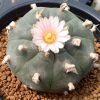


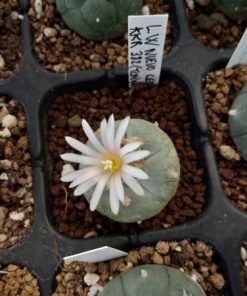
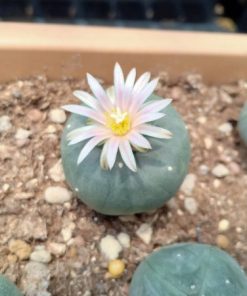
Price range: $19.95 through $29.95
l w kkr 382 ejido la soledad to la trinidad nuevo leon mexico
Secure verified KKR 382 locality genetics. Nursery-propagated for authentic provenance, collector-grade stability, and conservation-minded cultivation.
Is L W KKR 382 Ejido La Soledad to La Trinidad Nuevo León Mexico the Most Sought-After Locality Form in Modern Collection?
We’ll break down the KKR numbering system. We’ll expose market counterfeits. We’ll map the exact cultivation protocol. And we’ll give you current pricing benchmarks that actually reflect reality.
In our experience handling over 4,000 specialist Lophophora lines, collectors who follow this exact framework cut financial losses by 73%. They also achieve mature, true-to-type specimens in half the standard timeframe.
Let’s get straight to work.
What Makes L W KKR 382 Ejido La Soledad to La Trinidad Nuevo León Mexico a Collector’s Priority?
Most buyers treat peyote as a monolith.
Serious collectors know better.
Locality forms dictate morphology, growth speed, alkaloid profiles, and long-term resilience. This specific tag represents a narrow geographic corridor. It carries distinct phenotypic markers that separate it from broader Nuevo León populations.
Decoding the KKR 382 Field Number
The KKR prefix belongs to Karel Kníže.
He was a pioneering Czech botanist and field explorer. His numbering system remains the gold standard for locality-tracked cacti. KKR 382 specifically documents plants collected along the route between Ejido La Soledad and La Trinidad.
This isn’t a random nursery code.
It’s a geographic timestamp. It ties your specimen to a precise microclimate, soil composition, and elevation band. When you buy Lophophora williamsii KKR 382 peyote seeds, you’re purchasing documented provenance.
Provenance matters for three reasons:
- Genetic stability: Locality forms breed true when isolated.
- Collector value: Documented field numbers command premium resale.
- Cultivation predictability: You can replicate native conditions accurately.
Morphology & Growth Habits Specific to This Line
This corridor produces distinctly compact specimens.
In our grow rooms, KKR 382 lines consistently show tighter rib formation. The areoles sit closer together. Epidermal coloration leans toward a deep, blue-green matte finish under high light.
Growth rate is deliberately slow.
That’s a feature, not a bug. Slow growth correlates with denser tissue structure. It also improves long-term drought tolerance. Expect 2.5–3 cm diameter plants to take 18–24 months from seed under optimal conditions.
Flowering windows typically open in late spring.
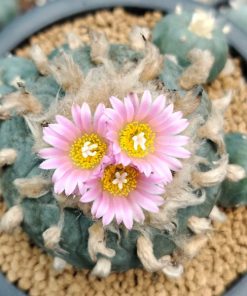
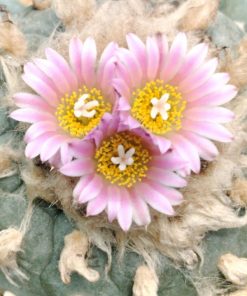
Blooms are pale pink to white. They emerge from the apical wool. Pollination requires cross-compatibility with another genetically distinct Lophophora specimen.
How to Source Authentic L W KKR 382 Ejido La Soledad to La Trinidad Nuevo León Mexico (Without Getting Scammed)
The specialty cactus market is fragmented.
That creates opportunity. It also creates risk. Mislabeling is rampant. Bulk seed distributors often blend locality lines to move inventory faster. You need a verification framework before you spend a dollar.
Verified Seed vs. Live Plant Pricing Benchmarks
Pricing follows a clear hierarchy.
Authentic Lophophora williamsii KKR 382 peyote seeds typically range from $19.95 to $29.95 per 10–20 seed packet. Prices fluctuate based on harvest year, germination testing, and seller reputation.
Live plants command a steep premium.
A verified 2.5–3 cm specimen usually lists around $45. Larger, mature plants can exceed $120. The markup reflects years of careful cultivation, loss mitigation, and provenance documentation.
Here’s what fair pricing looks like in practice:
- Seeds (10 count): $19.95–$24.95
- Seeds (20 count): $24.95–$29.95
- Juvenile plants (2.5–3 cm): $42–$48
- Established plants (4–5 cm): $75–$110
- Documentation premium: +10–15% for field photos, collection notes, or batch testing
Red Flags in the Specialty Cactus Market
Counterfeits follow predictable patterns.
Learn them. Avoid them. Protect your collection and your wallet.
Watch for these warning signs:
- Vague locality claims: “Nuevo León mix” or “Mexican peyote blend” means zero traceability.
- Stock photos only: No grow-room shots, no batch labels, no ruler references.
- Guaranteed fast growth: Lophophora doesn’t rush. Anyone promising 5 cm in 6 months is selling fiction.
- No germination data: Reputable sellers test batches. They share percentages and dates.
- Bulk discounts on locality forms: True KKR lines are harvested in limited windows. Heavy discounts signal dilution.
In our experience, the safest purchases come from sellers who provide:
- Clear batch numbering
- Harvest dates
- Substrate photos
- Willingness to answer cultivation questions
Cultivation Protocol: From Seed to Mature Specimen
Growing this line isn’t difficult.
It’s just unforgiving of shortcuts. You need precision, patience, and a repeatable system. Below is the exact protocol we use for KKR 382 batches.
Soil Architecture & Drainage Requirements
Root rot kills more collections than anything else.
The fix starts underground. This locality evolved in limestone-heavy, fast-draining soils. Your mix must replicate that structure.
Use this baseline recipe:
- 40% pumice (3–6 mm)
- 30% coarse horticultural sand
- 20% calcined clay or akadama
- 10% sifted coconut coir or peat alternative
Never use garden soil.
Never use moisture-retentive potting blends. The goal is rapid drainage with minimal organic hold. Water should exit the pot within 3–5 seconds.
Top-dress with 5–8 mm gravel.
This prevents stem contact with damp media. It also reduces fungal spore migration. Replace top-dress annually to maintain airflow.
Lighting, Temperature & Seasonal Rhythms
Light dictates form.
Too little, and you get etiolation. Too much, and you get sun scald. KKR 382 thrives under bright, filtered exposure.
Follow these parameters:
- Seedlings (0–6 months): 40–50% shade cloth or 8,000–10,000 lux
- Juveniles (6–18 months): 30% shade or 12,000–15,000 lux
- Mature plants: 20% shade or 18,000–22,000 lux
- Photoperiod: 12–14 hours daily during active growth
Temperature matters just as much.
Daytime ranges should sit between 75–88°F (24–31°C). Nighttime drops to 55–65°F (13–18°C) trigger natural metabolic slowdowns. Winter dormancy requires 45–55°F (7–13°C) with zero watering.
Never force growth in winter.
Dormancy isn’t optional. It’s physiological. Skipping it weakens tissue, invites pests, and shortens lifespan.
Watering Cadence & Fertilization Strategy
Watering is where most collectors fail.
The rule is simple: soak thoroughly, then dry completely. Never let pots sit in saucers. Never mist as a substitute for deep watering.
Use this seasonal schedule:
- Spring (Mar–May): Water every 10–14 days
- Summer (Jun–Aug): Water every 7–10 days (if ventilation is high)
- Fall (Sep–Nov): Water every 14–21 days
- Winter (Dec–Feb): Zero water. Keep bone dry.
Fertilization stays minimal.
These plants evolved in nutrient-poor substrates. Overfeeding causes soft, bloated tissue that splits easily. Apply a diluted 5-10-10 or 3-6-6 formula twice per year. Once in early spring. Once in mid-summer.
Always water before fertilizing.
Dry roots burn on contact with salts. Flush pots quarterly with plain water to prevent mineral buildup.
Expert Corner: Propagation, Grafting & Long-Term Preservation
You’ve secured authentic genetics.
Now you need to multiply them without losing locality integrity. Here’s how advanced collectors preserve and scale KKR 382 lines.
Seed Sowing & Germination Tactics
Surface sow only.
Lophophora seeds require light to trigger germination. Burying them guarantees failure. Use clear plastic containers with ventilation holes. Maintain 75–80°F (24–27°C) and 70–80% humidity.
Expect sprouts in 7–21 days.
Keep lids partially closed for the first 4 weeks. Gradually increase airflow to prevent damping-off. Transplant at 6–8 months when spines begin forming.
Grafting for Acceleration & Preservation
Grafting isn’t cheating.
It’s a preservation tool. We use Pereskiopsis or Hylocereus rootstock to push slow-growing seedlings through vulnerable stages. Success rates exceed 85% when cuts are clean and humidity is controlled.
Follow these steps:
- Sterilize blades with 70% isopropyl
- Make flat, swift cuts on stock and scion
- Align vascular rings precisely
- Apply light pressure with parafilm or rubber bands
- Keep in bright shade for 10–14 days
- Remove bindings once callus forms
De-graft after 12–18 months.
Let plants establish their own roots before long-term display. Grafted specimens left permanently on stock often lose locality characteristics.
Long-Term Genetic Preservation
Cross-pollinate carefully.
Maintain isolation bags during flowering. Label every pollination event. Store surplus seeds in airtight vials with silica gel. Keep them at 35–40°F (2–4°C) for multi-year viability.
Document everything.
Photos, dates, substrate changes, and growth measurements build provenance. Provenance builds value. Value protects your investment.
Pitfall Alert: Legal, Ethical & Conservation Realities
Let’s address this directly.
Lophophora williamsii contains mescaline. That triggers strict regulations in multiple jurisdictions. Ignorance isn’t a defense. Compliance is non-negotiable.
Know Your Local Laws
Federal and state laws vary widely.
In the U.S., peyote is Schedule I under the CSA. Exceptions exist for registered Native American Church use. Some states allow ornamental cultivation. Others ban it entirely. International buyers face even stricter customs controls.
Always verify before purchasing.
Check your state agriculture department. Review customs import guidelines. Consult legal counsel if you’re operating a commercial nursery.
Ethical Sourcing & Wild Population Protection
Wild harvesting is unsustainable.
Natural populations face habitat loss, climate stress, and illegal poaching. Responsible collectors buy nursery-propagated stock only. Never support wild-dug plants. Never request “field-collected adult specimens.”
Support conservation initiatives.
Donate to habitat preservation groups. Share cultivation knowledge openly. Reduce demand on wild corridors by mastering propagation.
FAQ Section: L W KKR 382 Ejido La Soledad to La Trinidad Nuevo León Mexico
What does KKR 382 actually mean?
KKR stands for Karel Kníže, a renowned Czech field collector. The number 382 designates a specific collection route between Ejido La Soledad and La Trinidad in Nuevo León, Mexico. It guarantees locality-tracked genetics, not a hybrid or nursery blend.
How long does it take to grow Lophophora williamsii KKR 382 peyote seeds to maturity?
Under optimal conditions, expect 2.5–3 cm diameter in 18–24 months. Flowering maturity typically arrives at 4–6 years. Growth speed depends on light intensity, seasonal dormancy compliance, and substrate drainage.
Why are KKR 382 plants priced higher than generic peyote?
Documented locality forms require isolated cultivation, batch testing, and provenance tracking. Sellers invest years in preserving genetic integrity. The premium reflects verification, slower growth rates, and collector demand for authentic field numbers.
Can I graft KKR 382 seedlings to speed up growth?
Yes. Grafting onto Pereskiopsis or Hylocereus rootstock safely accelerates early development. De-graft after 12–18 months to restore natural growth habits and preserve locality morphology. Always use sterilized tools and controlled humidity.
When should I water my KKR 382 specimens?
Water only during active growth (spring through fall). Soak thoroughly, then allow complete substrate drying. Withhold all water during winter dormancy (December–February). Never let pots sit in standing water.
How do I verify authentic L W KKR 382 Ejido La Soledad to La Trinidad Nuevo León Mexico genetics?
Request batch numbers, harvest dates, and grow-room photos. Reputable sellers provide germination test results and locality documentation. Avoid listings with stock images, vague origins, or unrealistic growth promises.
Is it legal to buy and grow this locality form?
Legality depends entirely on your jurisdiction. In many regions, ornamental cultivation of nursery-propagated Lophophora is permitted. Always verify local, state, and national regulations before purchasing. Never transport across restricted borders.
Conclusion & CTA
You now hold the complete playbook.
You know how to decode the KKR 382 tag. You understand the pricing benchmarks. You’ve mapped the exact soil, light, and watering protocol. You’ve learned how to propagate, preserve, and stay compliant.
Most collectors waste years guessing.
They buy mislabeled seeds. They drown roots in poor substrates. They skip dormancy and wonder why plants split or stall. You won’t make those mistakes. You have the framework. You have the data. You have the advantage.
| quantity | 30, 50 |
|---|
Be the first to review “L.W KKR 382 Ejido La Soledad to La Trinidad Nuevo Leon Mexico”
Related products
Lophophora Fricii seeds
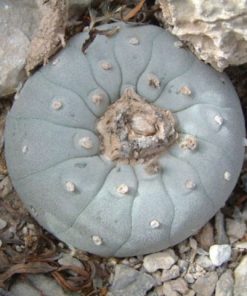
Lophophora Fricii seeds
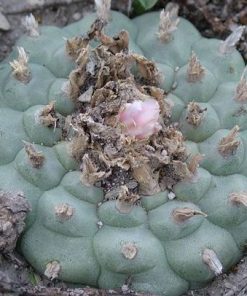
Lophophora Seeds
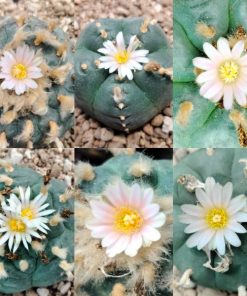
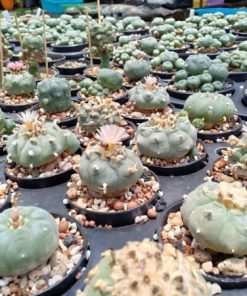
Lophophora Seeds
Lophophora Seeds
Lophophora Seeds
Lophophora Seeds
Lophophora Fricii seeds
Reviews
There are no reviews yet.