



$129.00
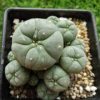
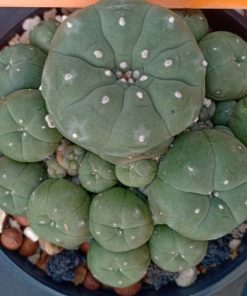
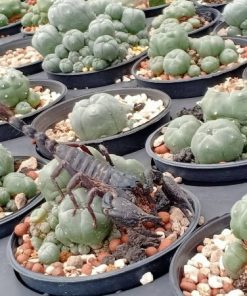
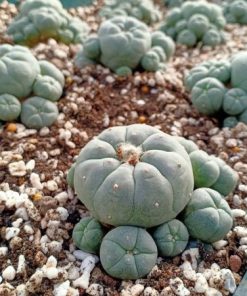
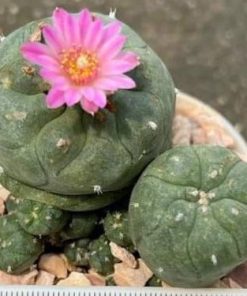
L w variety caespitosa in 8cm diameter pot
Get the L W variety caespitosa in 8cm diameter pots. Our plants are root-strong and ready to grow. Buy yours today and make your garden stand out.
Why an L W Variety Caespitosa in 8cm Diameter Pot Is the Smart Buy for Serious Collectors
You’ve scrolled past the seedling trays. You’ve ignored the single-headed, dime-sized starts that dominate generic plant shops. You want a specimen that already shows character, structure, and the kind of clustered growth that makes a display shelf look intentional. You’re not here to fill a pot. You’re here to acquire a mature, multi-headed Lophophora that will hold its form for years.
What Makes an L W Variety Caespitosa in 8cm Diameter Pot a Collector’s Prize?
Let’s be direct. An L w variety caespitosa in 8cm diameter pot isn’t just a small cactus in a small container. It’s a deliberately scaled setup that matches the plant’s natural growth habit. Lophophora williamsii var. caespitosa is prized for its tendency to branch and form tight clusters rather than remaining a solitary, slow-spreading individual. When you place that clustered architecture into an 8cm diameter pot, you get a compact visual footprint with disproportionate collector value.
Why Collectors Pay Up for Multi-Headed Specimens
Single-headed starts are beginner currency. Multi-headed specimens are collector currency. Here’s why the market rewards clustering:
- Visual density: Multiple heads create immediate structure. You don’t need filler plants or decorative rocks to make the pot look complete.
- Growth momentum: Each head carries its own apical meristem. More meristems equal more visible expansion, even when individual heads grow slowly.
- Resilience signaling: A plant that has naturally branched or been carefully separated and re-established shows stable health. It has passed the fragile seedling stage.
- Display longevity: Clustered specimens age gracefully. They don’t outgrow their pots overnight, and they don’t lose form when seasons shift.
When you shop an L w variety caespitosa in 8cm diameter pot, you’re buying a finished aesthetic unit, not a waiting game. That’s why the secondary keyword Lophophora williamsii caespitosa 8cm pot consistently appears in collector forums and direct-sales listings: buyers want the mature feel without the multi-year ramp-up.
What the “L W” Abbreviation Signals in Practice
In search queries and inventory shorthand, “L W” almost always points to Lophophora williamsii. The “variety caespitosa” tag indicates the clustering form. In real-world purchasing, you should treat these labels as starting points, not guarantees. Sellers sometimes use shortened names for layout convenience. Your job is to verify the specimen against observable traits, not marketing copy.
Look for:
- Tight, circular head arrangement rather than random offsets
- Clean neck transitions between heads
- Consistent rib counts and subtle apical wool where appropriate
- Stem coloration that matches healthy, light-adapted specimens
- Roots that hold the substrate without circling aggressively
When those markers align, the listing name is just a label. The plant is doing the talking.
How to Evaluate a Lophophora williamsii caespitosa 8cm Pot Before You Buy
Transactional intent means you’re close to checkout. That’s exactly when you should slow down. The difference between a great acquisition and a regrettable one usually comes down to inspection details that most product pages skip.
The 60-Second Collector Checklist
Use this before you commit. You can apply it to live photos, video rotations, or in-person inspection.
- Head count and spacing: Count distinct crowns. Tight, even spacing beats crowded, fused masses that hide rot risk.
- Shoulder and rib clarity: Ribs should appear defined, not stretched or collapsed. Shoulders should hold their line.
- Apical condition: The top should show healthy wool or fine areolar tissue without mushy discoloration.
- Base and neck integrity: Look for clean transitions. Avoid specimens with dark, wet-looking collars or offset bases that look severed.
- Substrate surface: A dry, well-draining top layer is a good sign. Constantly damp, dark, or compacted surfaces raise red flags.
- Root bound behavior: In an 8cm pot, mild root contact with the walls is normal and healthy. Dense circling with no soil structure can signal chronic overwateering.
Red Flags That Kill Deals Fast
Not every multi-headed specimen is worth your cart space. Watch for these patterns:
- Fused heads with hidden crevices: Moisture traps invite fungal issues. If offsets look glued together by substrate or debris, proceed cautiously.
- Stretched, pale tissue: Indicates low light history or recent overwatering. The plant may need a recovery period before it shows true form.
- Heavy, wet-looking pot weight in photos: Suggests recent watering or poor drainage. In an 8cm container, water should exit quickly, not pool.
- Vague origin claims: “Wild,” “imported,” or “rare” without habitat context, collection year, or propagation method is usually filler.
- Price disconnected from size and maturity: An 8cm pot specimen should reflect clustering, health, and seller overhead, not arbitrary scarcity markup.
How to Read Seller Descriptions Like a Pro
Product copy is optimized for clicks. Your job is to extract facts. Translate common phrases into actionable meaning:
- “Mature specimen” → Look for defined ribs, visible clustering, and stable base structure.
- “Slow-growing” → Normal for Lophophora. It doesn’t mean unhealthy. It means patience and consistent care will yield visible change over months.
- “Collector grade” → Implies form, health, and presentation matter more than speed. Verify with photos.
- “Pre-potted” or “ready to display” → Good, if drainage and substrate match the species’ needs. Ask what mix was used.
- “8cm pot” → Confirm diameter, not height. Depth matters less for Lophophora than width and drainage.
When a listing combines the primary keyword L w variety caespitosa in 8cm diameter pot with honest, specific details, you’re usually looking at a seller who understands the plant’s needs. When the description leans on hype and avoids substrate, light, or origin details, adjust your expectations.
Care & Long-Term Success for Your Clustered Specimens
Buying is only the first transaction. Keeping your specimen thriving is where collector value compounds. Lophophora williamsii caespitosa 8cm pot setups reward disciplined care, not constant intervention.
Light, Air, and Temperature Rhythm
Lophophora thrives on bright, filtered light and steady airflow. Direct, scorching midday sun can stress tender heads, especially after indoor shipping. Aim for:
- Bright indirect to lightly filtered direct light for most of the day
- Strong air exchange to keep the crown dry and reduce humidity pockets
- Warm days and cooler nights that mimic seasonal swings, which help trigger natural dormancy and growth cycles
In our experience, specimens that receive consistent morning light and afternoon shade hold tighter form and show cleaner rib definition than plants pushed into full, unfiltered exposure too quickly.
Watering Windows That Actually Work
Watering mistakes are the fastest way to lose a clustered specimen. The 8cm diameter pot drains well when paired with the right mix, but volume is still limited. Follow the plant’s rhythm, not a calendar.
- Active growth window: Water when soil is fully dry and Heads show slight firmness. Soak briefly, allow complete runoff, and let the pot dry again.
- Dormant or slowed period: Extend intervals. Many healthy specimens prefer a dry stretch rather than frequent light sips.
- Check method: Use a wooden stake or moisture probe to confirm depth dryness. Surface dryness alone can mislead in shallow containers.
Substrate, Drainage, and Root Architecture
The root system is shallow, wide, and sensitive to prolonged dampness. Your mix should reflect that:
- Fast drainage with minimal water retention
- Low organic load once established; many collectors prefer mineral-forward blends
- Stable structure that doesn’t collapse into a dense mat over time
Avoid heavy peat-dominant mixes that stay wet near the collar. In an 8cm diameter pot, even a small amount of retained water can linger around the crown. If you repot, do it during a growth window, handle the root mat gently, and avoid burying the base deeper than it was previously grown.
Seasonal Care Cadence
Structure your year around the plant’s natural tempo:
- Spring ramp: Increase light gradually. Begin watering as growth resumes and soil dries rapidly.
- Summer activity: Maintain bright light and air flow. Water fully but infrequently. Watch for offset expansion.
- Autumn slowing: Reduce frequency as daylight and temperature shift. Allow longer dry periods.
- Winter rest: Keep the plant dry, bright, and cool enough to discourage weak, stretched growth. Protect from freezing if outdoors.
This cadence keeps clustered heads compact and healthy. It also prevents the swollen, soft tissue that appears when plants receive water during slow periods.
Why Tracking Matters More Than You Think
Collectors who keep simple logs outperform those who guess. Record:
- Watering dates and dry-check results
- Light placement changes
- New offset appearance
- Any color, firmness, or base changes
Over a few cycles, patterns emerge. You’ll learn exactly how your specimen responds to your environment, which makes future decisions faster and more accurate.
Pricing, Sourcing, and Why 8cm Pots Command Collector Value
Price conversations around Lophophora williamsii caespitosa 8cm pot often miss the real drivers. It’s not just plant size. It’s presentation, health, clustering, seller overhead, and compliance with responsible sourcing norms.
What Actually Drives Price
- Head count and symmetry: Tight, balanced clustering adds visual and collector value.
- Health markers: Firm tissue, clean bases, and stable root structure reduce your risk and increase worth.
- Pot and presentation: A well-drained 8cm container with clean substrate and intentional placement signals a finished product.
- Propagation method: Seed-grown versus offsets versus established divisions can affect price and readiness.
- Seller reputation and handling: Careful imaging, accurate descriptions, and solid packaging reduce transit risk.
When you see the primary keyword L w variety caespitosa in 8cm diameter pot paired with clear photos and honest descriptors, you’re usually looking at a fairly priced collector item. When price seems inflated without visible justification, ask for additional angles or substrate details before committing.
Sourcing Signals Worth Your Attention
Responsible sourcing matters for both ethical and practical reasons. Lophophora has regulatory and conservation considerations in several regions. Collectors benefit from transparent provenance and cultivated stock.
- Cultivated propagation is generally preferred for long-term hobby stability and reduced wild-pressure concerns.
- Clear origin or propagation notes help you understand growth history and expected behavior.
- Reputable sellers provide accurate sizing, honest condition notes, and realistic expectations about maturity.
How to Compare Options Without Getting Paralysis
Use a simple scoring approach when you’re weighing multiple listings:
- Form: Does clustering look natural and balanced?
- Health: Are bases, shoulders, and apices clean and firm?
- Pot fit: Is the 8cm diameter appropriate for the root spread and head count?
- Presentation: Are photos clear, lighting honest, and angles sufficient?
- Seller trust: Are descriptions specific, and does the seller answer follow-up questions directly?
If an option scores high on form and health while presenting transparent details, it’s probably a solid transaction. If it scores high on hype but low on clarity, walk away or request more information.
Common Pitfalls When Buying Multi-Headed Peyote Specimens
Even experienced buyers can trip over predictable mistakes. Here’s what to watch for when transactions feel urgent.
Mistake 1: Chasing Head Count Over Structure
More heads aren’t automatically better. Tight, healthy clustering matters more than a crowded mass that hides weak tissue or trapped moisture. Prioritize clean transitions and visible rib definition.
Mistake 2: Ignoring the Pot-to-Plant Relationship
An 8cm diameter pot should match the plant’s spread and root behavior. A specimen that’s already lifting the substrate or circling the walls aggressively may need repotting soon. A specimen that sits loosely with excess wet volume may face rot risk if the mix holds too much water.
Mistake 3: Overreacting to Shipping Stress
Temporary color shifts, slight deflation, or minor wool displacement can occur after transit. Give the plant a reset period in stable conditions before judging long-term health. Don’t repot, overwater, or move it constantly in the first few weeks.
Mistake 4: Watering From a Calendar
Lophophora doesn’t follow a fixed weekly schedule. It responds to dryness, light, temperature, and growth rhythm. Calendar watering is the fastest path to collar issues and tissue stress.
Mistake 5: Assuming the Listing Name Is the Whole Story
Shorthand labels help pages load faster. They don’t replace observation. Verify with photos, angles, substrate notes, and seller responsiveness. When the primary keyword L w variety caespitosa in 8cm diameter pot appears alongside concrete details, confidence goes up. When it appears alone, ask for clarity.
FAQ: L W Variety Caespitosa in 8cm Diameter Pot
What is an L W variety caespitosa in 8cm diameter pot?
It’s a compact Lophophora williamsii specimen of the clustering caespitosa form, established in a pot roughly 8cm across. The setup favors shallow, wide root behavior and makes multi-headed growth visible in a small footprint.
How do I know if a Lophophora williamsii caespitosa 8cm pot is healthy?
Look for firm heads, clean neck transitions, defined ribs, and a dry, well-draining substrate surface. Avoid dark, wet-looking collars, stretched pale tissue, or offsets that appear fused with debris.
Why do collectors prefer an 8cm pot over larger containers?
The 8cm diameter matches the species’ shallow root spread, reduces excess wet volume, and encourages lateral clustering. It keeps the specimen compact, stable, and display-ready without drowning the crown in damp soil.
When should I water a clustered specimen in this pot size?
Water when the substrate is completely dry and the heads show normal firmness. During slower periods, extend dry intervals. Always allow quick drainage and avoid frequent light sips that keep moisture near the base.
Can I repot an L w variety caespitosa in 8cm diameter pot right after buying?
It’s better to wait until the plant adapts to your environment and shows stable growth. Repot during a growth window, keep the root mat intact, and avoid burying the base deeper than it was previously grown.
What light conditions help multi-headed Lophophora thrive?
Bright, filtered light with strong air flow works best. Morning light with afternoon shade is often ideal for new acquisitions. Increase exposure gradually to avoid stress on tender heads.
Are there any legal or sourcing concerns I should know?
Lophophora has conservation and regulatory considerations in certain regions. Cultivated stock with transparent propagation details is generally the most responsible and reliable choice for long-term collectors.
Conclusion & CTA
An L w variety caespitosa in 8cm diameter pot gives you what most listings promise but few actually deliver: a compact, multi-headed specimen that looks complete, behaves predictably, and rewards disciplined care. You’ve seen how pot geometry aligns with root strategy, how to evaluate health and clustering before checkout, and how to avoid the common traps that turn exciting purchases into regretful ones. The collector edge isn’t luck. It’s choosing the right scale, verifying the right markers, and following a care rhythm that matches the plant’s natural pace.
Be the first to review “L.W variety Caespitosa in 8cm diameter pot”
Related products
Lophophora Plants
Lophophora Plants
Lophophora Fricii Plants


Lophophora Plants
Lophophora Fricii Plants


Lophophora Plants

Lophophora Plants

Lophophora Plants
Reviews
There are no reviews yet.