


Price range: $15.00 through $30.00
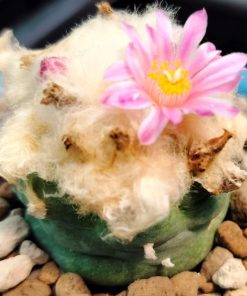
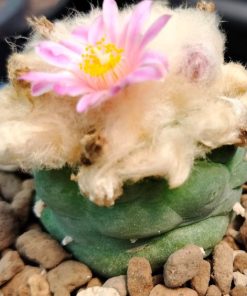
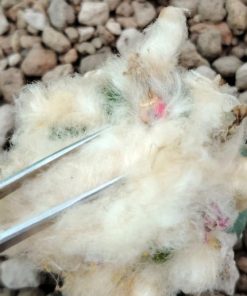
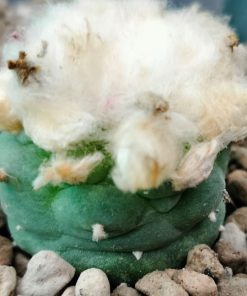
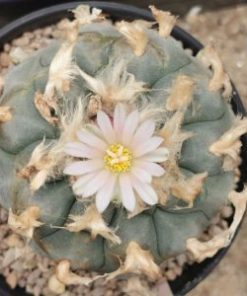
lophophora fricii takenaka lizard skin fluffy hair
You already know Lophophora fricii is one of the most visually striking species in the genus.
You’ve probably seen photos of the “Takenaka” selection floating around specialist forums and Japanese collector auctions.
What Should Collectors Know About Lophophora fricii Takenaka “Lizard Skin Fluffy Hair”?
You’re looking for a distinctive, named Lophophora fricii form not a generic cactus care page. This guide helps you separate the listing’s description from what is independently verifiable, assess the seller’s evidence, and check trade requirements before making a decision.
The phrase is used on current product pages, but those pages do not establish that “Takenaka” is a formally recognized botanical variety or that every seed offered under the name will produce the advertised appearance. One listing describes it as a hybrid and gives a price range and seed quantities, while its reviews section shows no reviews. Treat those details as seller claims, not independent verification.cactusfarming
Lophophora fricii Takenaka: What the Name Tells You
Lophophora fricii is a name used for a cactus in the Lophophora genus. The Cactus Conservation Institute notes that most sources treat it as a distinct species, although some classifications place it under L. diffusa. It also describes the species as associated with Coahuila, Mexico.cactusconservation
“Takenaka,” by contrast, appears in the product listing as a cultivar-style or collector label. The seller describes the plant as a hybrid developed by crossing fricii varieties and uses “lizard skin” and “fluffy hair” to describe its appearance. Those statements are not, on their own, evidence of a formal cultivar registration, documented parentage, or consistent traits across offspring.cactusfarming
What the product language claims
The listing describes:
-
Deep or prominent ribs and furrows.
-
A “lizard-like” skin pattern.
-
Woolly or fluffy growth around the crown.
-
A hybrid origin involving Japanese varieties and Thai breeders.
-
Seeds harvested from the seller’s plants.
The page does not provide named parent plants, breeding records, a registration reference, photographs documenting the seed parents, or independent reviews. That does not prove the claims are false; it means buyers should ask for evidence rather than assume the description has been independently confirmed.cactusfarming
Why the distinction matters
A species name identifies a taxonomic concept. A locality label usually claims a geographic origin. A cultivar or trade name may describe a selected plant, a breeding line, or simply a seller’s naming convention.
Those labels are not interchangeable. A listing that uses Lophophora fricii plus “Takenaka” does not automatically demonstrate:
-
Verified lineage.
-
Stable traits in seed-grown offspring.
-
A formally registered cultivar.
-
Wild or locality provenance.
-
Legal export and import documentation.
How to Assess a Listing
A specialist listing should help a collector understand what is being offered, what is known about its origin, and what remains uncertain. Price and availability alone do not answer those questions.
Use this evidence checklist
Before relying on the name or description, check whether the seller provides:
-
The item type: seeds, a live plant, or another product.
-
The source of the material: nursery-propagated, seed-grown, or otherwise documented.
-
The identity basis: how the seller distinguishes L. fricii from related species or trade forms.
-
The meaning of “Takenaka”: cultivar, clone, breeding line, or informal label.
-
Parentage evidence: names or records for the parent plants, if a hybrid is claimed.
-
Photographs: clear images of the actual plant or seed parents, not only illustrative images.
-
Batch details: harvest or collection date and a traceable lot or batch reference.
-
Shipping and documentation: origin, destination restrictions, and any required permits or certificates.
-
Returns and support: what the seller will do if the order is incomplete or the material arrives damaged.
The current product page lists seed quantities of 6 or 12 and an advertised price range of $15–$30. It also states an average delivery time of two to three weeks. Those are listing details—not a guarantee of germination, identity, or lawful delivery to every destination.cactusfarming
Questions to send before deciding
Keep questions specific and written. For example:
-
“Is this seed-grown material from documented nursery plants?”
-
“What does ‘Takenaka’ refer to in your records?”
-
“Can you provide photos of the actual parent plants?”
-
“Are these seeds from a controlled cross or open pollination?”
-
“What export documents, if any, accompany shipments to my country?”
-
“Can you identify the applicable import rules for my destination?”
A seller’s response is useful evidence, but it is not a substitute for checking the rules with the relevant authorities in both the exporting and importing countries.
Legal and Conservation Checks
Do not assume that an online listing can lawfully ship to your location. Trade rules depend on the species, the material, the countries involved, and the shipment route.
CITES provides the current Appendices and explains how listed taxa are interpreted. Its rules can cover whole live or dead plants and, depending on the listing and annotations, parts and derivatives. The CITES page currently presented in the search results states that its appendices are valid from February 7, 2025. Check the live appendices and official guidance for the exact material and route before proceeding.cites
The Cactus Conservation Institute describes L. fricii as a Coahuila-associated species and notes that its taxonomic treatment can vary. That uncertainty is another reason to value clear documentation and avoid wild-sourced material whose provenance cannot be verified.cactusconservation
A practical compliance checklist
Before any transaction, verify:
-
Whether the destination country restricts possession, import, or trade.
-
Whether export permission is required from the source country.
-
Whether CITES documentation applies to the exact item and shipment.
-
Whether the seller can provide paperwork matching the material being shipped.
-
Whether the shipment’s labeling and contents comply with customs rules.
If the seller says “worldwide shipping,” that does not establish that every destination is lawful or that the shipment has the required documents. Ask for the documents that apply to your route and verify them with official authorities.
Appearance and Identification: What You Can—and Can’t—Infer
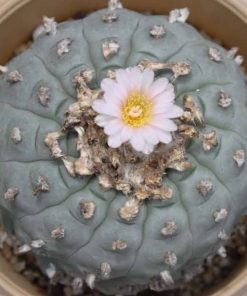
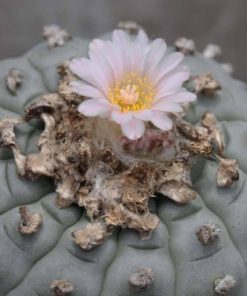
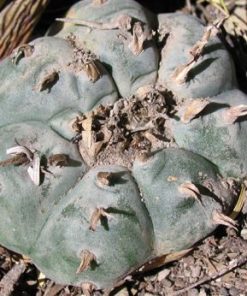
The phrase “lizard skin fluffy hair” suggests a combination of surface texture and crown wool. It is descriptive language, not a diagnostic key. A photograph may help a collector compare visible features, but it cannot independently prove species identity, parentage, or provenance.
The seller’s page describes pronounced ribs and furrows that become more evident as the plant matures. That is the seller’s characterization of the offered line; it should not be treated as a guaranteed outcome for every seedling.cactusfarming
Questions to ask about images
When reviewing images, look for:
-
A clear view of the plant’s overall form.
-
Close-ups of the crown and surface texture.
-
Multiple angles, not only a tightly cropped image.
-
A scale reference or stated plant dimensions.
-
Consistency between the named form and the pictured specimen.
-
Whether the images show the actual parent plants or representative examples.
Seed-grown plants can vary. Unless a seller provides credible evidence of a stable, documented line, a buyer should not assume that every seedling will reproduce the pictured “lizard skin” pattern or amount of wool.
Avoid overreading one trait
A single visual feature is rarely enough to settle a botanical identity question. The Cactus Conservation Institute notes that classification of L. fricii itself is not completely uniform across sources.cactusconservation
That means a careful collector should keep three questions separate:
-
What does the plant look like?
-
What name does the seller use?
-
What evidence supports that identity and origin?
Keeping those questions distinct prevents attractive photos or evocative names from doing more evidentiary work than they can support.
A Responsible Collector’s Decision Framework
Use a simple “proceed, pause, or decline” screen.
Proceed only when the basics are clear
A listing is easier to assess when it identifies the material accurately, explains its naming convention, provides credible source information, and supports lawful shipping with appropriate documentation.
Pause when information is incomplete
Ask for clarification if the seller does not explain whether “Takenaka” is a clone, seed line, hybrid, or informal trade name. Pause if the images are generic, the origin is vague, or the seller makes claims about lineage without records.
Decline when the seller cannot answer essential questions
Walk away if the seller encourages evading customs, dismisses permit requirements, claims that regulations never apply, or cannot explain the source of the material. A low price or unusual name does not offset those risks.
Frequently Asked Questions
What is Lophophora fricii Takenaka “lizard skin fluffy hair”?
It is a trade listing name used for a product described as Lophophora fricii cv. Takenaka, with “lizard skin” and “fluffy hair” referring to appearance. The listing characterizes it as a hybrid, but the page alone does not independently verify cultivar status or parentage.cactusfarming
How can I verify a Takenaka listing?
Ask what the name means, whether the material is seed-grown or a clone, how the parent plants were identified, and what records support any hybrid claim. Request actual photographs and shipment documentation, then verify legal requirements for your route.
Why do sellers use “lizard skin” and “fluffy hair”?
These phrases describe visual qualities that appeal to collectors. They are not, by themselves, formal taxonomic terms or proof that a plant belongs to a documented cultivar.
When should I check import and export rules?
Check before paying or arranging shipment. Requirements can depend on the countries, the material, and the route. CITES publishes the official appendices and interpretation material; confirm the rules with the relevant authorities as well.cites
Can seed-grown offspring reliably match the pictured plant?
A product photo does not establish that all offspring will reproduce the same features. Ask whether the seed came from controlled pollination or open pollination, and whether the seller has records showing consistent traits.
Is Lophophora fricii always treated as a separate species?
No. The Cactus Conservation Institute says most sources treat it as a separate species, while some classify it as a subspecies of L. diffusa.cactusconservation
Does a “worldwide shipping” claim mean the item can be imported legally?
No. A seller’s shipping statement does not determine what your local law permits or prove that required documents are included. Confirm the rules and paperwork for your specific destination before proceeding.
Conclusion
“Lophophora fricii Takenaka lizard skin fluffy hair” is a highly specific collector phrase, but specificity in a product name is not the same as verified identity. The useful next step is to establish exactly what the seller means by “Takenaka,” what evidence supports the plant’s source and parentage, and what documentation applies to your destination.
| quantity | 6, 12 |
|---|
Be the first to review “Lophophora Fricii Takenaka lizard skin fluffy hair”
Related products
Lophophora Seeds
Lophophora Seeds
Lophophora Fricii seeds

Lophophora Seeds

Lophophora Seeds

Lophophora Seeds
Lophophora Seeds

Lophophora Seeds
Reviews
There are no reviews yet.