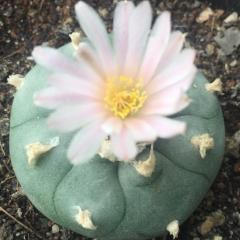
Lophophora Williamsii Peyote Seeds – Variety Coahuila Cuatrociénegas
If you have been searching for genuine lophophora williamsii peyote seeds from a verified regional locality, stop scrolling.
This is the Cuatrociénegas variety — sourced from one of the most geographically isolated and ecologically unique basins in Coahuila, northern Mexico.
Not a generic mix. Not a lucky dip. A specific locality collection with real provenance.
Why This Lophophora Williamsii Variety Matters
Most peyote lophophora williamsii seeds floating around the market come from decades of cross-pollination between unknown localities.
That is not what we sell here.
The Cuatrociénegas basin is a closed desert valley — a biodiversity hotspot surrounded by mountain ranges that have kept its flora isolated for thousands of years.
Plants from this region have adapted to extreme aridity, mineral-rich soils, and dramatic temperature swings between day and night.
What does that mean for you as a grower?
It means you are working with genetics shaped by one of the harshest micro-environments in the entire Lophophora range.
Hardy. Resilient. Authentic.
What You Get With These Peyote Lophophora Williamsii Seeds
Here is exactly what arrives when you order:
- Freshly harvested Lophophora williamsii seeds from the Coahuila Cuatrociénegas locality.
- Hand-counted and hand-packed — we consistently include more seeds than the listed quantity.
- High viability — we only sell recently harvested seed to give you the best possible germination rate.
- Locality-verified stock — not bulk wholesale seed of unknown origin.
Every order is processed by us personally.
No automated warehouse. No middlemen. No guesswork.
Growing Lophophora Williamsii From Seed — What to Expect
We are not going to pretend this is a weekend project.
Growing peyote cactus from seed is a slow game. But it is deeply rewarding if you have patience.
Here is a realistic timeline and what we have learned from years of cultivation:
Germination
- Use fresh seed. Germination rates drop significantly with old, poorly stored seeds. Ours are harvested recently — that is non-negotiable for us.
- Sow on a mineral-based substrate. A mix of pumice, perlite, and a small amount of loam works well.
- Keep humidity high initially. A sealed container or cling film over the pot creates the right microclimate for the first few weeks.
- Temperature matters. Aim for around 20–28°C during germination. Too cold and nothing happens. Too hot and you cook the seedlings.
- Expect sprouts within 7–14 days under good conditions, though some seeds may take longer.
First Year
- Seedlings are tiny. We mean genuinely small — a few millimetres across.
- Do not overwater. Root rot kills more lophophora seedlings than anything else.
- Introduce airflow gradually after the first month.
- Bright indirect light is ideal. Direct midday sun will burn young plants.
Long-Term Growth
- Lophophora williamsii is not a fast cactus. Full stop.
- Under good conditions, a plant can reach flowering maturity within roughly 18 months to 3 years, depending on care.
- Northern varieties — which includes Coahuila populations — are generally self-fertile, meaning a single plant can produce seed on its own.
- Cross-pollination between different plants is always better for genetic health if you have multiple specimens.
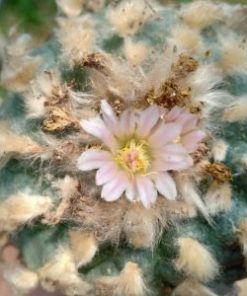
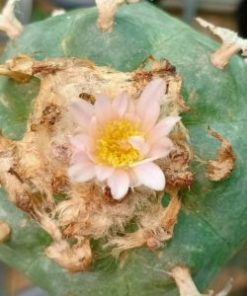
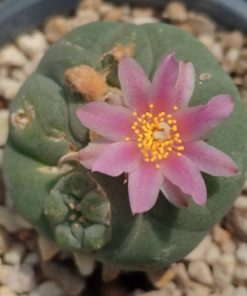
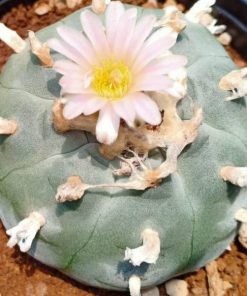
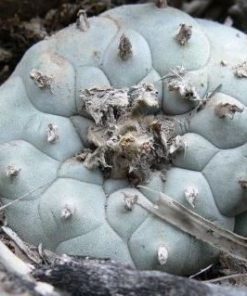
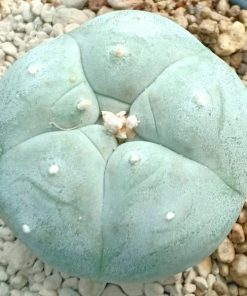
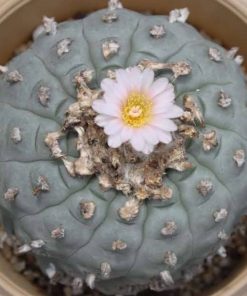
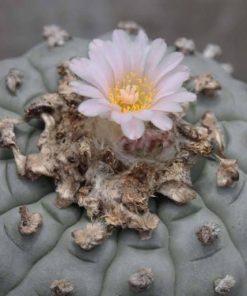
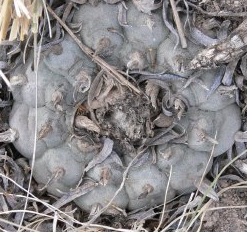
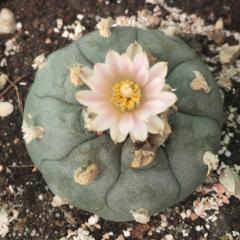
The plants from this Cuatrociénegas locality tend to develop a compact, blue-green body with well-defined ribs.
They look exactly like what a lophophora should look like. No surprises. No disappointments.
Why We Sell Lophophora Williamsii Peyote Seeds
We will be straight with you.
Lophophora williamsii is under pressure in the wild.
Habitat loss, illegal harvesting, and land development have reduced wild populations significantly over the past few decades.
We grow and sell peyote lophophora williamsii seeds for conservation, collection, and botanical study.
Every plant grown from seed in cultivation is one less reason for someone to remove a plant from its habitat.
That is the whole point.
We do not encourage or condone any illegal activity. We do not sell these seeds for consumption. Know the laws in your country before you order — they vary enormously, and it is your responsibility to check.
We ship discreetly to most countries worldwide, including the USA, Europe, Australia, and New Zealand.
Seed Storage Tips
Not planting straight away? No problem.
- Store seeds in a cool, dry, dark place.
- A sealed container in the refrigerator works brilliantly and can keep seeds viable for several years.
- Avoid heat, moisture, and direct light during storage — all three reduce germination rates over time.
But honestly? Plant them fresh. You will always get the best results with the freshest seed.
What Makes Cuatrociénegas Different From Other Williamsii Localities
Not all lophophora williamsii are the same.
Yes, they are all the same species. But locality matters — a lot.
Think of it like wine. Same grape, different terroir, different result.
Here is how Cuatrociénegas stands apart:
| Feature | Generic Williamsii | Cuatrociénegas Variety |
|---|---|---|
| Origin | Often unknown / mixed | Verified Coahuila basin locality |
| Adaptation | Variable | Extreme desert, mineral-rich soils |
| Morphology | Can vary widely | Compact growth, well-defined ribs |
| Genetic Integrity | Frequently hybridised | Isolated population genetics |
| Collector Value | Standard | High — specific locality provenance |
If you are building a serious lophophora collection, locality-specific seed is the foundation.
You cannot fake provenance. You either have it or you do not.
Who This Is For
- Cactus collectors building a locality-specific lophophora collection.
- Botanical enthusiasts interested in the diversity within the williamsii species.
- Conservation-minded growers who want to help preserve endangered cacti through cultivation.
- Patient growers who understand that slow-growing plants are worth the wait.
If you want instant gratification, this is not the plant for you.
If you want something genuinely meaningful on your windowsill or in your greenhouse — keep reading.
How We Handle Orders
- Every order is hand-packed and checked before dispatch.
- We include extra seeds as standard — no need to ask.
- Shipping is discreet, with no external labelling that identifies the contents.
- We dispatch quickly and provide tracking where available.
We are a small operation. We care about what we send out because our reputation depends on it.
FAQs
How many lophophora williamsii peyote seeds should I sow?
Sow more than you think you need. Not every seed will germinate, and not every seedling will survive its first year. We recommend sowing at least 15–20 seeds per batch to ensure a reasonable number of healthy plants.
How long does it take to grow lophophora williamsii from seed?
Germination typically occurs within 7–14 days with fresh seed and the right conditions. Reaching a recognisable small cactus takes around 6–12 months. Flowering maturity can take 18 months to 3 years or more depending on light, temperature, and watering regime.
Are peyote lophophora williamsii seeds legal to buy?
In many countries, lophophora williamsii seeds are legal to purchase and own for botanical and ornamental purposes. However, laws vary significantly between jurisdictions. It is your responsibility to check the regulations in your country or state before ordering. We cannot be held responsible for seized shipments.
What soil mix is best for germinating lophophora seeds?
A well-draining mineral mix is essential. We recommend a blend of pumice, perlite, and a small proportion of sieved loam or cactus compost. Avoid heavy, water-retentive soils — they promote root rot, which is the number one killer of lophophora seedlings.
Can I grow lophophora williamsii indoors?
Yes. Many growers successfully cultivate lophophora on bright windowsills, under grow lights, or in indoor greenhouses. The key factors are adequate light, controlled watering, and good airflow. These are desert plants — they do not want tropical conditions.
How should I store lophophora seeds if I am not planting immediately?
Place them in a sealed container in the refrigerator. Kept cool and dry, seeds can remain viable for several years. That said, fresh seed always gives the highest germination rate, so we recommend sowing sooner rather than later.
What is special about the Cuatrociénegas variety compared to other lophophora williamsii?
The Cuatrociénegas basin in Coahuila is a geographically isolated desert valley with unique ecological conditions. Plants from this locality have evolved under specific environmental pressures, resulting in distinct growth characteristics and strong genetic identity. For collectors, verified locality provenance is what separates a meaningful collection from a random assortment.
We keep our stock limited and our seed fresh.
When it is gone, it is gone — and the next harvest comes when the plants decide, not us.
If you have been looking for authentic peyote lophophora williamsii seeds with real Coahuila Cuatrociénegas provenance, this is the listing.
Add to basket and we will get your order packed and shipped.


Reviews
There are no reviews yet.