Lophophora Williamsii Variety Ogata — The Rare Japanese Peyote Collectors Actually Hunt For
If you’ve spent any time in serious Lophophora circles, you already know the name.
Lophophora Williamsii variety Ogata is one of the most sought-after cultivated selections in the entire genus — and for good reason.
It doesn’t look like your average peyote. It looks like someone spent decades selecting for near-perfect form. Because, quite possibly, they did.
What Makes the Lophophora Williamsii Ogata Different?
Most L. williamsii are beautiful in their own right — 12a spineless, button-like cactus species in the Cactaceae family, characterised by small, rounded, almost flat stems ranging from 2 to 7 cm tall and 4 to 10 cm wide.
The Ogata stands apart from the crowd.
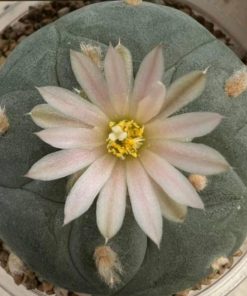
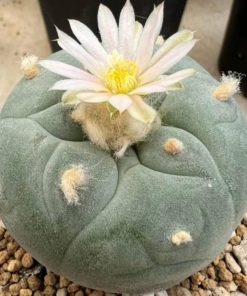
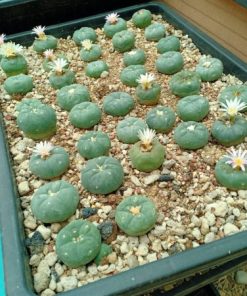
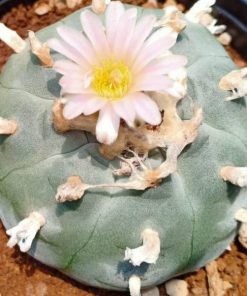
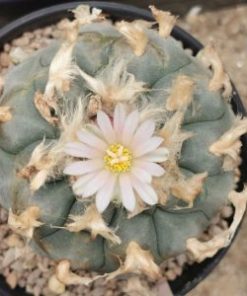
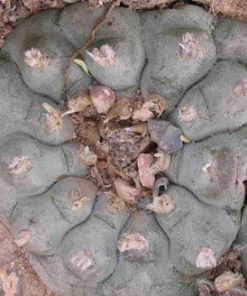
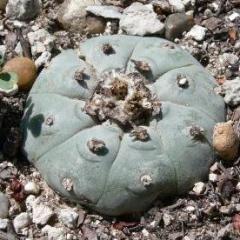
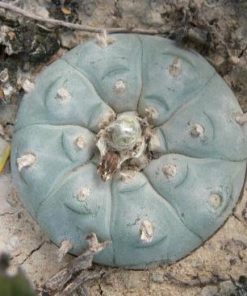
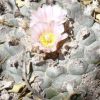
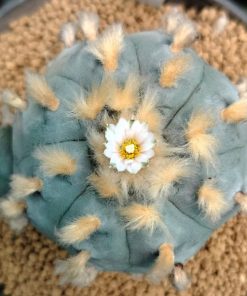
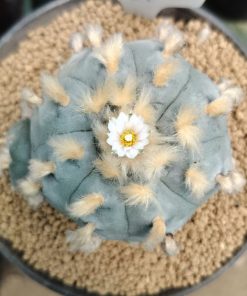
1 Lophophora Williamsii variety Ogata is a special peyote variety from Japan. The shape is very nice, round and really special.Where standard williamsii can vary wildly in rib count, colour, and overall symmetry, 3the Ogata presents a symmetrical globose, spineless form with perfectly aligned ribs (7–10) and clean areoles.
3 The colouration is a vivid blue-green with glossy pruina, and a smooth, uniform polished surface.The surface texture — 4an unusual rough-textured blue or grey-green epidermis — makes it instantly recognisable in any collection.
Ogata Williamsii from Japan — The Story Behind the Name
1 The name is possibly linked to a scientist called Jun Ogata who worked on drug DNA research in Japan — though no confirmed source has fully verified this.What we do know: 5this is a Japanese-bred Lophophora williamsii var. Ogata, selected for flawless round peyote cultivation.
Japan has long had a culture of meticulous horticultural selection — from bonsai to succulents — and the Ogata reflects exactly that tradition. The result is a peyote button that looks almost geometric. Precise. Consistent. Striking.
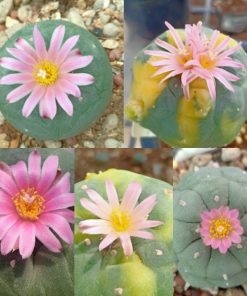
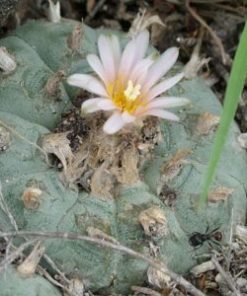
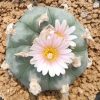
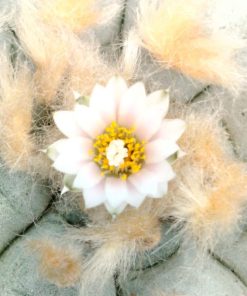
3 Special features include early abundant pink flowers, alongside hybrid-enhanced rib symmetry and growth uniformity.That’s not marketing language — that’s what separates a well-selected cultivated line from a random seedling.
Understanding the Species Behind the Variety
To appreciate the Ogata, it helps to understand what L. williamsii actually is.
15 It is native to southern North America, primarily found in desert scrub and limestone-rich areas of northern Mexico and south Texas, particularly in the Chihuahuan Desert at elevations of 100–1,500 m.In the wild, 15it flowers from March to May, and sometimes as late as September, producing pink or white flowers.
12 The cactus surface is typically bluish-green to olive, segmented into ribs (usually between 5 and 13), with each rib topped by tufts of woolly, yellowish hairs. 12 Unlike many cacti, it lacks sharp spines, making it appear smooth and soft.Wild L. williamsii populations are under significant pressure. 7This geophytic, button-like cactus occurs in xerophyllous scrub, usually in calcareous deserts, on rocky slopes, or in dried river beds. Many subpopulations are heavily harvested in the wild throughout the range of the species.
Every cultivated Ogata we grow here is nursery-bred — no wild-sourcing, no ethical compromise.
How Slow-Growing Is It Really?
This is the question every new collector asks.
Lophophora are genuinely slow. In the wild, they can take up to thirty years to reach flowering age. Under cultivation, that timeline compresses considerably — typically six to ten years from seedling to mature flowering adult.
The Ogata, being a selected cultivated line, 5is produced from fresh nursery stock with high viability and comes with a germination guide included.
Slow-growing doesn’t mean difficult. It means you’re investing in something that lasts.
### Lophophora Williamsii Ogata — Care at a Glance
Light
10 Lophophora williamsii requires bright, direct sunlight for optimal growth. 13 When cultivating at home, especially young plants, gradually acclimate them to direct sunlight to prevent sunburn. They should receive at least 4–6 hours of direct sunlight daily.Watering
11 Allow the soil to dry out completely between waterings, as this cactus is highly susceptible to root rot in overly moist conditions. 14 Only water when the substrate is completely dry — this can mean every two weeks in summer, and once a month or less in winter. 12 Overwatering is the most common cause of failure in cultivation.Soil
3 An optimised cactus mix of approximately 60% akadama/perlite and 40% mineral soil works well for this variety.Sharp drainage is non-negotiable.
Temperature
11 Maintain a temperature range of 18°C to 30°C for optimal growth. Peyote is tolerant of fluctuations but should be protected from prolonged exposure below 10°C.Humidity
12 Peyote prefers low humidity typical of deserts. Good air circulation is essential to avoid fungal or bacterial diseases.Feeding
12 During the active growth period, apply a diluted, low-nitrogen liquid fertiliser monthly. Do not over-fertilise — peyote grows slowly and thrives in nutrient-poor conditions resembling its native environment.Winter Rest
14 Between autumn and late winter, reduce or completely suspend watering except in conditions of prolonged drought.
Growing from Seed — What to Expect
5 Seeds are tiny — 1–2 mm — black and glossy, with a robust coat for reliable storage.
- Surface-sow onto a fine mineral mix (perlite, pumice, sifted grit)
- 5 Maintain 24–30°C with bright indirect light in a humid sealed clear container
- 5 Germination typically occurs within 7–21 days under ideal conditions — the Ogata form sprouts reliably
- 12 Seedlings grow very slowly and prefer indirect light initially
- 5 Ventilate at 50% germination to avoid damping off; taper humidity gradually for perfect form
Seed storage:
5 Store cool (4–10°C), dark and dry in a sealed packet — seeds remain viable for 2+ years unsown.
### Why Add the Ogata Williamsii from Japan to Your Collection?
- Rarity — a genuine named cultivated variety, not a generic seedling
- Form — near-perfect globose shape, 3symmetrical with 7–10 aligned ribs and clean areoles
- Colour — 3vivid blue-green with glossy pruina and a smooth, uniform surface
- Flowers — 3early abundant pink flowers, a standout feature even among williamsii varieties
- Provenance — traceable Japanese selection lineage, nursery-bred with no wild-sourcing
- Longevity — a slow grower that, when cared for properly, will outlast almost everything else in your collection
⚠️ Legal Notice
Lophophora williamsii and its varieties are subject to varying laws depending on your country and region. It is your sole responsibility to check the legal status of this plant in your jurisdiction before purchasing. We sell this plant strictly for ornamental, horticultural, and botanical collection purposes only.
FAQs
Q: What exactly is the Lophophora Williamsii Ogata variety?
2 Lophophora Williamsii variety Ogata is a special peyote variety from Japan. The shape is very nice, round and really special. It is a cultivated selection known for its superior symmetry and distinctive blue-green colouration.
Q: Where does the Ogata name come from?
1 The name was possibly given after a scientist called Jun Ogata who worked on drug DNA research in Japan, though this has not been formally confirmed in published literature.
Q: How long does the Ogata take to grow to a mature size? All Lophophora williamsii are genuinely slow growers. Wild specimens can take decades. Under cultivation, six to ten years is a more realistic timeline for a flowering-size plant. This is part of what makes a mature specimen valuable.
Q: Can I grow the Ogata Williamsii from seed indoors? Yes. 5Maintain 24–30°C with bright indirect light in a humid sealed clear container. Germination typically occurs within 7–21 days under ideal conditions. A consistent warm setup and patience are all you need.
Q: How often should I water my Lophophora Williamsii Ogata?
14 Only water when the substrate is completely dry — roughly every two weeks in summer, and once a month or less in winter depending on conditions. 12 Overwatering is the most common cause of failure.
Q: What soil mix works best for the Ogata variety?
3 An optimised cactus mix of approximately 60% akadama/perlite and 40% mineral soil suits this variety well. The priority is fast drainage — standing moisture is the enemy.
Q: Is the Ogata Williamsii difficult to grow compared to other peyote varieties? Not especially. 10It thrives in warm temperatures and low humidity, mimicking its native desert environment. It’s actually regarded as relatively forgiving compared to some other Lophophora species — just respect the watering discipline and give it adequate light.
If you’re serious about building a Lophophora collection that includes something genuinely rare and visually distinct, the Lophophora Williamsii variety Ogata belongs in it.
Browse our current stock above — we keep quantities limited to ensure every plant ships in top condition.


Reviews
There are no reviews yet.